Bladder cancer is a type of cancer that develops in the tissues of the urinary bladder, the organ that stores urine before it leaves the body. It is more commonly diagnosed in older adults, although it can occur at different ages. Bladder cancer treatment in Noida and Delhi NCR depends on the type and stage of cancer, tumor characteristics, depth of bladder wall involvement, lymph node involvement, overall health and individual treatment needs. As a radiation oncologist, Dr. Gagan Saini provides comprehensive cancer care with a focus on advanced radiation therapy for selected patients with bladder cancer. Depending on the type and stage, treatment may involve surgery, chemotherapy, radiation therapy, immunotherapy or a combination of approaches. If you are looking for a bladder cancer specialist, bladder cancer treatment or an experienced radiation oncologist for cancer treatment, timely consultation can help determine the most appropriate treatment approach.
What Is Bladder Cancer?
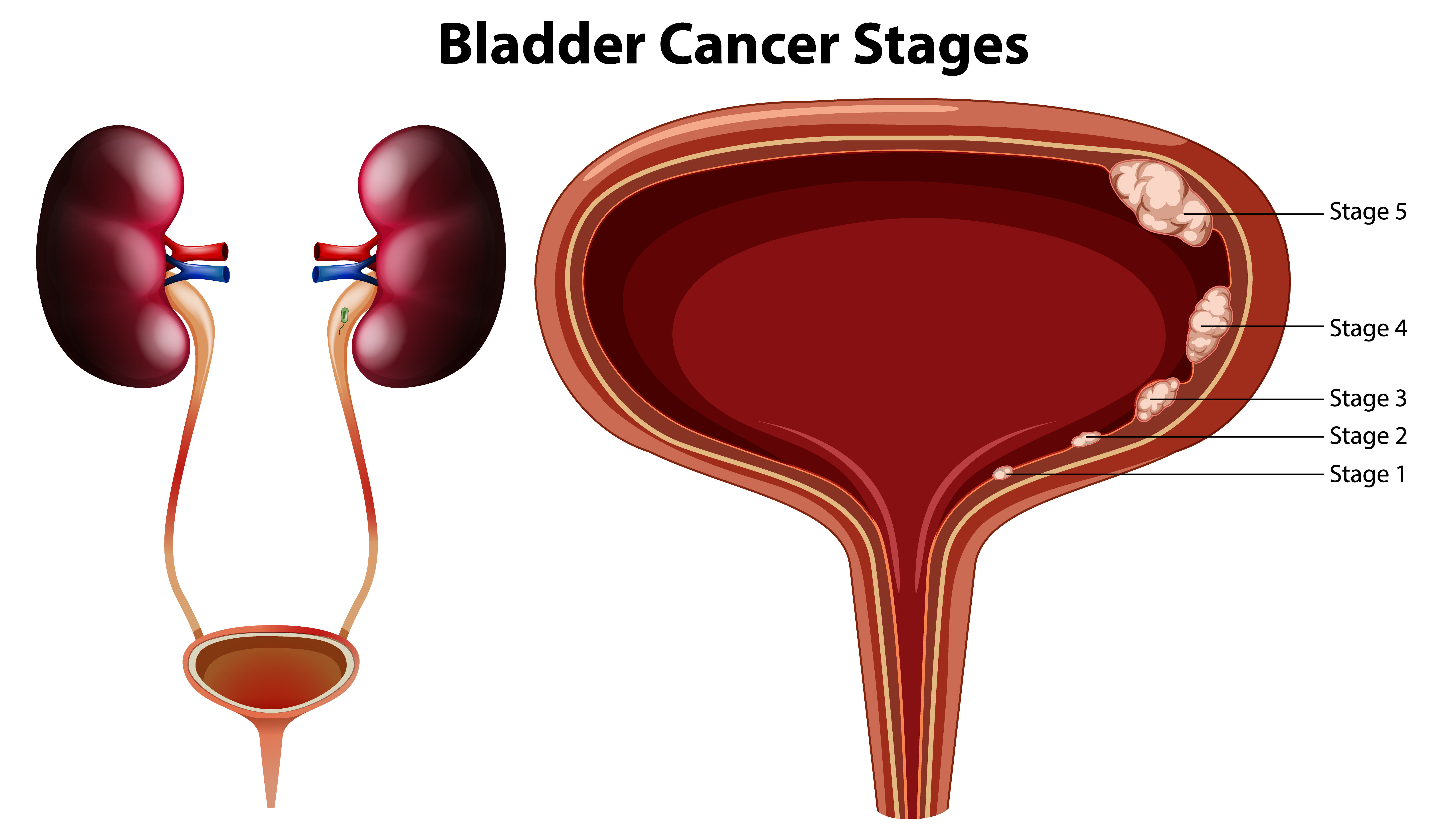
Bladder cancer occurs when abnormal cells in the lining or tissues of the bladder begin to grow uncontrollably and form a tumor. The most common type is urothelial carcinoma, although other types of bladder cancer can also occur. Bladder cancer may be non-muscle-invasive, meaning it has not grown deeply into the bladder muscle or muscle-invasive, where the cancer has grown into the muscular layer of the bladder. Risk factors may include smoking, exposure to certain chemicals, previous radiation treatment, certain chemotherapy medicines, chronic bladder irritation and a family or personal history of bladder cancer. However, bladder cancer can also occur in people without clearly identifiable risk factors.
Symptoms of Bladder Cancer
Bladder cancer may cause symptoms such as:
- Blood in the urine
- Pink, red or dark-colored urine
- Frequent urination
- Urgent need to urinate
- Pain or burning while urinating
- Difficulty starting or maintaining urine flow
- Urinating more frequently during the night
- Pelvic or lower abdominal discomfort
- Back pain in some cases
- Unexplained weight loss or fatigue in advanced disease
Blood in the urine does not always mean bladder cancer and may occur due to infections, kidney stones or other urinary conditions. However, visible blood in the urine should not be ignored and should be evaluated by a doctor.
How Is Bladder Cancer Diagnosed?
Diagnosis usually begins with a detailed medical history, physical examination and evaluation of urinary symptoms. If bladder cancer is suspected, additional investigations may be recommended.
These may include:
- Urine tests
- Urine cytology
- Ultrasound
- CT scan or CT urography
- MRI in selected cases
- Cystoscopy
- Biopsy or transurethral resection of the bladder tumor
- Additional imaging to determine the stage of cancer
Cystoscopy allows the doctor to directly examine the inside of the bladder and identify suspicious areas. Tissue obtained during a procedure can be examined by a pathologist to confirm the diagnosis and determine the depth and characteristics of the tumor. Imaging and pathology findings are then evaluated along with other clinical information to determine the stage and guide further treatment.
Bladder Cancer Treatment
The treatment of bladder cancer depends on the type and stage of cancer, tumor characteristics, depth of invasion, lymph node involvement, presence of distant spread and individual patient factors.
Treatment may include:
- Transurethral resection of bladder tumor
- Surgery
- Chemotherapy
- Radiation therapy
- Immunotherapy
- Targeted treatment in selected cases
- Regular surveillance in selected non-muscle-invasive cancers
- A combination of treatments
For non-muscle-invasive bladder cancer, treatment may involve removal of the tumor through the urinary passage followed by additional bladder-directed treatment and regular monitoring. For muscle-invasive bladder cancer, treatment may involve removal of the bladder or a bladder-preserving approach using a combination of chemotherapy and radiation therapy in appropriately selected patients.
Radiation Therapy for Bladder Cancer
Radiation therapy can have an important role in the treatment of selected patients with bladder cancer. It may be used as part of a bladder-preserving treatment approach or for selected patients who are not suitable candidates for surgery. In bladder-preserving treatment, radiation therapy may be combined with chemotherapy to treat the bladder tumor while attempting to preserve bladder function. Radiation therapy may also be considered for selected patients with recurrent or advanced disease to control localized cancer or relieve symptoms. The decision to use radiation therapy depends on the cancer stage, tumor characteristics, bladder function, overall health, previous treatments and individual treatment goals.
Radiation Therapy for Muscle-Invasive Bladder Cancer
For selected patients with muscle-invasive bladder cancer, a bladder-preserving treatment approach may involve a combination of maximal tumor removal, chemotherapy and radiation therapy. The aim is to control the cancer while preserving the bladder in appropriately selected patients. Not every patient is suitable for bladder-preserving treatment and careful evaluation is required before selecting this approach. The radiation oncology team carefully plans the treatment area to target the bladder and appropriate surrounding regions while limiting unnecessary radiation exposure to nearby organs such as the bowel and rectum.
Radiation Therapy for Advanced or Recurrent Bladder Cancer
Radiation therapy may also be considered for selected patients with advanced or recurrent bladder cancer. It may be used to control localized disease or relieve symptoms such as bleeding, pelvic discomfort or pain when appropriate. For advanced bladder cancer, systemic treatments such as chemotherapy, immunotherapy or targeted treatment may also play an important role. The treatment approach depends on the cancer type, sites of spread, previous treatment and overall health. A multidisciplinary oncology team evaluates the patient to determine the most appropriate combination and sequence of treatments.
Radiation Therapy for Bladder Cancer Symptoms
In some patients with advanced bladder cancer, radiation therapy may be used to help manage cancer-related symptoms.
Depending on the individual condition, radiation may help control symptoms such as:
- Blood in the urine
- Pelvic pain or discomfort
- Localized tumor-related symptoms
- Symptoms caused by tumor growth in selected areas
The radiation dose and treatment schedule are individualized according to the patient's symptoms, treatment goals, overall health and previous treatment.
Advanced Radiation Therapy for Bladder Cancer
Radiation therapy for bladder cancer requires careful planning because the bladder is located close to several sensitive organs, including the bowel and rectum. Techniques such as Intensity-Modulated Radiation Therapy (IMRT) and image-guided radiation therapy (IGRT) may be considered for appropriately selected patients. These techniques can help deliver radiation more precisely to the intended treatment area while limiting unnecessary radiation exposure to nearby healthy tissues. The radiation technique, treatment area and dose are selected according to the patient's cancer stage, tumor characteristics, bladder anatomy, treatment intent and previous treatment.
Why Choose a Radiation Oncologist for Bladder Cancer Treatment?
Bladder cancer treatment may require coordination between urology, surgical oncology, medical oncology and radiation oncology. An experienced radiation oncologist evaluates the patient's pathology, cystoscopy findings, imaging, cancer stage, bladder function and previous treatments before determining whether radiation therapy may be beneficial. For patients considering bladder-preserving treatment, careful radiation planning is particularly important because the bladder is located near sensitive organs. Dr. Gagan focuses on personalized cancer treatment planning and advanced radiation therapy techniques, with treatment decisions based on the patient's diagnosis, cancer stage, medical history and individual treatment requirements.
What to Expect During Bladder Cancer Radiation Treatment
Before radiation therapy begins, the radiation oncology team performs detailed treatment planning to determine the appropriate radiation dose, treatment area and schedule.
During treatment:
- The patient is positioned carefully for each treatment session.
- Imaging is used to identify the treatment area and nearby healthy organs.
- The treatment plan is designed to minimize unnecessary radiation exposure to surrounding tissues.
- Radiation is delivered according to the prescribed treatment plan.
- The oncology team regularly monitors the patient's response and manages treatment-related side effects.
Some patients may experience increased urinary frequency, urgency, burning while urinating, tiredness or bowel-related changes depending on the treatment area and radiation dose. Side effects vary from person to person and depend on the radiation dose, treatment field, technique and individual factors.
Importance of Early Bladder Cancer Evaluation
Blood in the urine should not be ignored, even when it occurs without pain. Although there are several possible causes of blood in the urine, timely evaluation can help identify bladder cancer or other urinary conditions at an earlier stage. Prompt medical evaluation can help determine the underlying cause of urinary symptoms and whether further testing is required. If bladder cancer is diagnosed, timely consultation with a multidisciplinary cancer team can help establish an appropriate treatment plan. Depending on the patient's condition, treatment may involve a urologist, urologic surgeon, medical oncologist, radiation oncologist, radiologist, pathologist and other healthcare professionals working together.
Personalized Bladder Cancer Treatment
Every bladder cancer diagnosis is different. Treatment decisions depend on the type and stage of cancer, depth of bladder wall involvement, tumor characteristics, lymph node status, imaging findings, pathology, bladder function and overall health. Patients with non-muscle-invasive disease may require tumor removal followed by bladder-directed treatment and regular surveillance. Patients with muscle-invasive disease may be candidates for surgery or a bladder-preserving combination of chemotherapy and radiation therapy when appropriate. Patients with advanced or recurrent disease may require systemic treatment, with radiation therapy used in selected situations for local disease control or symptom relief. A personalized treatment plan helps the oncology team select the most appropriate combination and sequence of treatments while considering cancer control, bladder function and long-term quality of life.
Consult Dr. Gagan Saini for Bladder Cancer Treatment
A bladder cancer diagnosis can be challenging, but timely evaluation and advances in surgery, systemic therapy and radiation treatment provide multiple treatment options for appropriately selected patients. Early evaluation of blood in the urine or persistent urinary symptoms can help identify the underlying condition and support timely treatment when required. If you are searching for a bladder cancer doctor, bladder cancer treatment specialist, best radiation oncologist for bladder cancer in Noida and Delhi NCR or cancer treatment specialist, consult Dr. Gagan Saini for an individualized evaluation and treatment plan. Book a consultation with Dr. Gagan Saini to discuss your bladder cancer diagnosis and understand whether advanced radiation therapy or a bladder-preserving treatment approach may be appropriate for your condition.
Frequently Asked Questions
1. Can bladder cancer be treated with radiation therapy?
Yes. Radiation therapy may be used for selected patients, particularly as part of a bladder-preserving treatment approach or for symptom control in advanced disease.
2. What is the main treatment for bladder cancer?
Treatment depends on the stage and type of bladder cancer. It may include tumor removal, surgery, chemotherapy, radiation therapy, immunotherapy or a combination of treatments.
3. Can radiation therapy preserve the bladder?
For selected patients with muscle-invasive bladder cancer, chemotherapy combined with radiation therapy may be used as part of a bladder-preserving treatment approach.
4. Is blood in the urine a symptom of bladder cancer?
Yes. Blood in the urine is one of the common warning signs of bladder cancer. However, it can also occur due to other urinary conditions, so medical evaluation is important.
5. What are the side effects of bladder cancer radiation therapy?
Some patients may experience increased urinary frequency, urgency, burning while urinating, tiredness or bowel-related changes. Side effects vary depending on the treatment area and individual factors.
6. When should I see a radiation oncologist for bladder cancer?
You should consider consulting a radiation oncologist when radiation therapy is being considered as part of your bladder cancer treatment, including selected bladder-preserving treatment plans or advanced and recurrent disease.