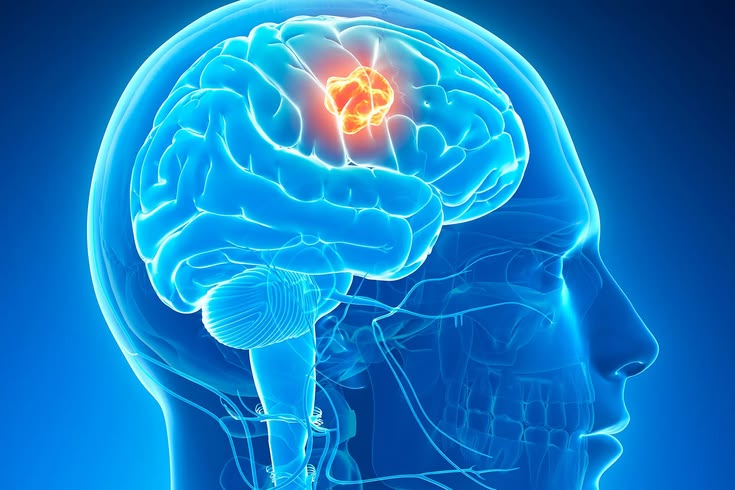
A brain tumour is an abnormal growth of cells that develops in the brain or the tissues surrounding it. Brain tumours may be benign or malignant and can vary widely in their type, size, location and growth pattern. Brain tumour treatment in Noida and Delhi NCR depends on the type and grade of the tumour, its location, size, involvement of nearby brain structures, symptoms, overall health and individual treatment needs. As a radiation oncologist, Dr. Gagan Saini provides comprehensive cancer care with a focus on advanced radiation therapy for selected patients with brain tumours. Depending on the diagnosis and individual condition, treatment may involve surgery, radiation therapy, chemotherapy or other systemic treatments, observation or a combination of approaches. If you are looking for a brain tumour specialist, brain tumour treatment or an experienced radiation oncologist for cancer treatment, timely consultation can help determine the most appropriate treatment approach.
What Is a Brain Tumour?
A brain tumour develops when abnormal cells grow uncontrollably and form a mass within the brain or nearby structures. Brain tumours may be primary, meaning they begin in the brain or metastatic, meaning cancer from another part of the body has spread to the brain. Primary brain tumours include different types and grades and their behaviour can vary significantly. Some tumours grow slowly, while others may be more aggressive. The effect of a brain tumour depends not only on its type but also on where it is located. Even a relatively small tumour can cause significant symptoms if it develops near an important area of the brain.
Symptoms of a Brain Tumour
A brain tumour may cause symptoms such as:
- Persistent or worsening headaches
- Headaches that may be more noticeable in the morning
- Nausea or vomiting
- Seizures
- Changes in vision
- Difficulty speaking or understanding speech
- Weakness or numbness in an arm or leg
- Problems with balance or coordination
- Memory or concentration changes
- Personality or behavioural changes
- Excessive tiredness or changes in alertness
These symptoms can occur due to many other medical conditions and do not necessarily indicate a brain tumour. However, persistent, worsening or unusual neurological symptoms should be evaluated by a doctor.
How Is a Brain Tumour Diagnosed?
Diagnosis usually begins with a detailed medical history and neurological examination. If a brain tumour is suspected, additional investigations may be recommended.
These may include:
- MRI of the brain
- CT scan
- Contrast-enhanced imaging
- PET imaging in selected situations
- Neurological assessment
- Biopsy or surgical tissue sampling when required
- Molecular and pathological testing
- Additional imaging to determine the extent of disease
MRI is an important investigation for evaluating the size, location and characteristics of a brain tumour. When tissue is obtained through surgery or biopsy, pathological and molecular testing can help determine the exact tumour type and grade and guide treatment planning.
Brain Tumour Treatment
The treatment of a brain tumour depends on the type and grade of the tumour, its size and location, involvement of important brain structures, symptoms, overall health and individual treatment goals.
Treatment may include:
- Surgery
- Radiation therapy
- Chemotherapy or systemic treatment
- Targeted treatment in selected tumours
- Observation or active monitoring for selected slow-growing tumours
- Stereotactic radiation therapy in appropriate cases
- A combination of treatments
Surgery may be recommended when the tumour can be safely removed or when tissue is required to establish the diagnosis. Radiation therapy may be used after surgery, as the primary treatment for selected tumours, for residual or recurrent disease or for brain metastases depending on the individual situation.
Radiation Therapy for Brain Tumours
Radiation therapy can play an important role in the treatment of selected brain tumours. It may be used to treat the tumour directly, manage residual disease following surgery or control recurrent disease. The role of radiation therapy depends on factors such as tumour type, grade, size, location, previous treatment and overall health. Because healthy brain tissue and other sensitive structures may be located close to the tumour, radiation treatment requires detailed planning and precise delivery. Modern radiation techniques can help target the tumour while limiting unnecessary radiation exposure to surrounding healthy brain tissue.
Radiation Therapy After Brain Tumour Surgery
For some brain tumours, surgery is followed by radiation therapy to treat residual microscopic or visible disease and reduce the risk of recurrence. The need for radiation therapy after surgery depends on the tumour type, grade, extent of removal, pathology and molecular characteristics. The radiation oncology team reviews the surgical findings, pathology and postoperative imaging before determining the appropriate treatment approach.
Stereotactic Radiation Therapy for Brain Tumours
Stereotactic radiation therapy is a highly precise form of radiation treatment that delivers focused radiation to a defined target. It may be considered for selected patients with small or well-defined brain tumours, recurrent disease or brain metastases. Depending on the individual case, stereotactic treatment may be delivered in a single session or over several treatment sessions. The suitability of stereotactic radiation therapy depends on factors such as tumour size, location, number of lesions, proximity to sensitive brain structures and previous treatment.
Radiation Therapy for Brain Metastases
Cancer from other parts of the body, including the lung, breast, kidney or other organs, can spread to the brain. These are known as brain metastases. Radiation therapy may be an important treatment option for selected patients with brain metastases. Depending on the number, size and location of the lesions, treatment may involve stereotactic radiation therapy or other radiation approaches. The overall treatment plan may also include systemic cancer treatment, surgery or other therapies depending on the primary cancer and the patient's overall condition.
Radiation Therapy for Recurrent or Residual Brain Tumours
Radiation therapy may also be considered for selected patients when a brain tumour returns after initial treatment or when residual tumour remains following surgery. The treatment approach depends on the tumour type, location, previous radiation treatment, interval since previous treatment and overall health. In appropriately selected cases, advanced radiation techniques can help target recurrent or residual disease while carefully limiting radiation exposure to nearby healthy brain structures.
Advanced Radiation Therapy for Brain Tumours
Radiation therapy for brain tumours requires highly precise treatment planning because the tumour may be located close to important areas responsible for movement, speech, vision, memory and other neurological functions. Techniques such as Intensity-Modulated Radiation Therapy (IMRT), image-guided radiation therapy (IGRT) and stereotactic radiation therapy may be considered for appropriately selected patients. These techniques can help deliver radiation more precisely to the intended treatment area while limiting unnecessary exposure to surrounding healthy tissues. The radiation technique, treatment area and dose are selected according to the patient's tumour type, grade, size, location, previous treatment, anatomy and overall treatment goals.
Why Choose a Radiation Oncologist for Brain Tumour Treatment?
Brain tumour treatment often requires close coordination between neurosurgery, neuro-oncology, medical oncology, radiation oncology, radiology and pathology specialists. An experienced radiation oncologist evaluates the patient's imaging, pathology, tumour characteristics, previous treatment and neurological condition before determining whether radiation therapy may be beneficial. Because the brain contains highly sensitive and functionally important structures, radiation treatment requires careful dose planning and accurate treatment delivery. Dr. Gagan focuses on personalized cancer treatment planning and advanced radiation therapy techniques, with treatment decisions based on the patient's diagnosis, tumour characteristics, medical history and individual treatment requirements.
What to Expect During Brain Tumour Radiation Treatment
Before radiation therapy begins, the radiation oncology team performs detailed treatment planning to determine the appropriate radiation dose, treatment area and schedule.
During treatment:
- The patient is positioned carefully for each treatment session.
- Imaging is used to identify the tumour and nearby sensitive brain structures.
- The treatment plan is designed to minimize unnecessary radiation exposure to surrounding healthy tissues.
- Radiation is delivered according to the prescribed treatment plan.
- The oncology team regularly monitors the patient's response and manages treatment-related side effects.
Some patients may experience tiredness, headache, nausea, scalp or skin changes or other treatment-related effects depending on the treatment area and radiation dose. Side effects vary from person to person and depend on the tumour location, radiation dose, treatment technique, treatment field and individual factors.
Importance of Early Brain Tumour Evaluation
Persistent or worsening headaches, seizures, unexplained neurological changes, vision problems, weakness or changes in speech should not be ignored. These symptoms can have many possible causes, but prompt medical evaluation can help determine whether further neurological assessment or imaging is required. If a brain tumour is diagnosed, timely consultation with a multidisciplinary cancer team can help establish an appropriate treatment plan. Depending on the patient's condition, treatment may involve a neurosurgeon, neuro-oncologist, radiation oncologist, medical oncologist, radiologist, pathologist and other healthcare professionals working together.
Personalized Brain Tumour Treatment
Every brain tumour diagnosis is different. Treatment decisions depend on the specific tumour type and grade, molecular characteristics, location, size, extent of disease, symptoms, previous treatment and overall health. Patients with selected slow-growing tumours may be monitored regularly, while others may require surgery, radiation therapy or systemic treatment. Patients with aggressive, recurrent or metastatic brain disease may require a combination of treatments based on the individual diagnosis and treatment goals. A personalized treatment plan helps the oncology team select the most appropriate combination and sequence of treatments while considering tumour control, neurological function and long-term quality of life.
Consult Dr. Gagan Saini for Brain Tumour Treatment
A brain tumour diagnosis can be challenging, but advances in imaging, neurosurgery, systemic treatment and radiation therapy have expanded treatment options for many patients. Timely evaluation and appropriate treatment planning can help patients understand their diagnosis, available treatment options and potential side effects. If you are searching for a brain tumour doctor, brain tumour treatment specialist, best radiation oncologist for brain tumour treatment in Noida and Delhi NCR or cancer treatment specialist, consult Dr. Gagan Saini for an individualized evaluation and treatment plan. Book a consultation with Dr. Gagan Saini to discuss your brain tumour diagnosis and understand whether advanced radiation therapy may be appropriate for your condition.
Frequently Asked Questions
1. Can brain tumours be treated with radiation therapy?
Yes. Radiation therapy may be used for selected brain tumours depending on the tumour type, grade, size, location and individual treatment plan.
2. What are the common symptoms of a brain tumour?
Persistent headaches, seizures, vision changes, weakness, numbness, balance problems and changes in speech or memory may occur. Symptoms vary depending on the tumour's location and size.
3. Can radiation therapy be used after brain tumour surgery?
Yes. For selected brain tumours, radiation therapy may be recommended after surgery to treat residual disease or reduce the risk of recurrence.
4. What is stereotactic radiation therapy for brain tumours?
Stereotactic radiation therapy is a highly precise form of radiation treatment that delivers focused radiation to a defined tumour while carefully limiting exposure to nearby healthy brain tissue.
5. Can radiation therapy treat brain metastases?
Yes. Radiation therapy may be used for selected patients with brain metastases. The treatment approach depends on the number, size and location of the lesions and the patient's overall cancer condition.
6. When should I see a radiation oncologist for a brain tumour?
You should consider consulting a radiation oncologist when radiation therapy is being considered as part of your brain tumour treatment, including selected tumours after surgery, recurrent disease or brain metastases.