Cervical Cancer Treatment
Expert Cervical Cancer Care with Advanced Radiation Therapy
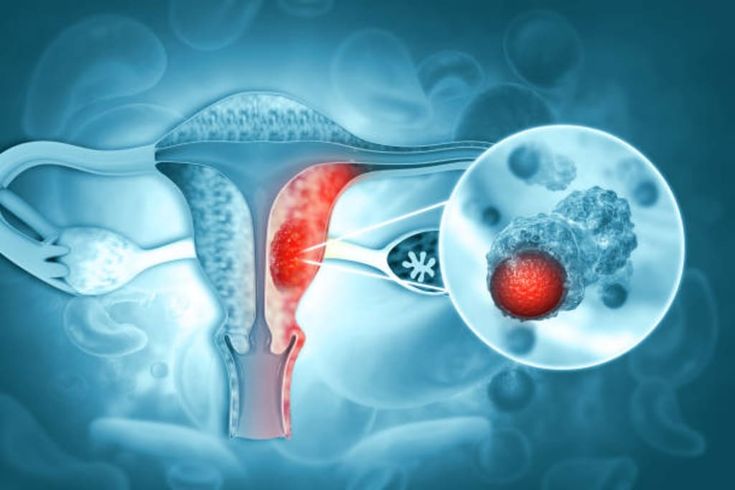
Cervical cancer is a cancer that develops in the cells of the cervix, the lower part of the uterus that connects to the vagina. It is often associated with persistent infection with certain high-risk types of human papillomavirus (HPV). Early diagnosis and appropriate treatment can significantly improve outcomes. Cervical cancer treatment in Noida and Delhi NCR depends on the stage of cancer, tumor size and location, lymph node involvement, overall health and individual treatment needs. As a radiation oncologist, Dr. Gagan provides comprehensive cancer care with a focus on advanced radiation therapy for cervical cancer. Treatment is carefully planned to target cancer cells while minimizing unnecessary radiation exposure to nearby healthy tissues and organs. If you are looking for a cervical cancer specialist, cervical cancer treatment or an experienced radiation oncologist for cancer treatment, timely consultation can help determine the most appropriate treatment approach.
What Is Cervical Cancer?
Cervical cancer occurs when abnormal cells in the cervix begin to grow uncontrollably. Most cervical cancers are caused by persistent infection with high-risk HPV types. Cervical cancer can develop gradually, often through precancerous changes that may be detected through appropriate screening. Regular cervical cancer screening and HPV testing can help identify abnormal changes before they become invasive cancer. Risk factors may include persistent high-risk HPV infection, smoking, a weakened immune system, certain reproductive or sexual health factors and a history of cervical precancerous changes.
Symptoms of Cervical Cancer
Cervical cancer may cause symptoms such as:
- Abnormal vaginal bleeding
- Bleeding between menstrual periods
- Bleeding after sexual intercourse
- Vaginal bleeding after menopause
- Unusual or foul-smelling vaginal discharge
- Persistent pelvic pain
- Pain during sexual intercourse
- Lower back or abdominal pain
- Changes in urination in advanced disease
- Changes in bowel habits in advanced disease
- Swelling of the legs in advanced disease
- Unexplained tiredness or weakness
Early cervical cancer may not cause noticeable symptoms. These symptoms can also occur due to conditions other than cancer. However, persistent or unexplained vaginal bleeding or discharge should be evaluated by an appropriate doctor.
How Is Cervical Cancer Diagnosed?
Diagnosis usually begins with a detailed medical history, gynecological examination and evaluation of symptoms or abnormal screening results.
Depending on the clinical findings, investigations may include:
- Pelvic examination
- Pap smear
- HPV testing
- Colposcopy
- Cervical biopsy
- Endocervical sampling when required
- MRI of the pelvis
- CT scan
- PET-CT for selected patients
- Blood tests
- Additional investigations for cancer staging
A biopsy is generally required to confirm cervical cancer. Imaging studies help determine the size of the tumor, involvement of nearby tissues and lymph nodes and whether the disease has spread to distant organs.
Cervical Cancer Treatment
The treatment of cervical cancer depends mainly on the stage of disease, tumor size, lymph node involvement, overall health and individual treatment goals.
Treatment may include:
- Surgery
- Radiation therapy
- Chemotherapy
- Concurrent chemoradiation
- Brachytherapy
- Immunotherapy in selected advanced cases
- Targeted therapy in selected situations
- A combination of treatments
Early-stage cervical cancer may be treated with surgery or radiation-based treatment depending on the individual case. For many patients with locally advanced cervical cancer, concurrent chemoradiation followed by brachytherapy is an important standard treatment approach. Advanced or recurrent cervical cancer may require systemic treatment, with radiation therapy used for selected local or symptomatic disease. A multidisciplinary gynecologic oncology team evaluates each patient to determine the most appropriate treatment strategy.
Radiation Therapy for Cervical Cancer
Radiation therapy is a major treatment option for cervical cancer. It uses precisely targeted high-energy radiation to destroy cancer cells and control tumor growth. For many patients with locally advanced cervical cancer, external beam radiation therapy is combined with chemotherapy and followed by brachytherapy. External beam radiation therapy treats the cervix and surrounding areas at risk, including selected pelvic lymph node regions. Modern radiation techniques allow the treatment team to target these areas while reducing unnecessary radiation exposure to nearby organs such as the bladder, rectum and small bowel.
Chemoradiation for Cervical Cancer
Concurrent chemoradiation combines external beam radiation therapy with chemotherapy. The chemotherapy can increase the sensitivity of cancer cells to radiation and improve treatment effectiveness in appropriately selected patients. For many patients with locally advanced cervical cancer, chemoradiation is an important part of definitive treatment and is followed by brachytherapy. The exact chemotherapy medicine, radiation dose, treatment schedule and duration are individualized according to the patient's stage, overall health and treatment goals.
Advanced Radiation Therapy for Cervical Cancer
Modern radiation oncology has significantly improved the precision of cervical cancer treatment. Techniques such as Intensity-Modulated Radiation Therapy (IMRT), image-guided radiation therapy (IGRT) and image-guided brachytherapy may be considered for appropriately selected patients. These techniques can help deliver radiation accurately to the cervix and pelvic lymph node regions while reducing unnecessary radiation exposure to nearby organs such as the bladder, rectum and small bowel. Detailed imaging and treatment planning are particularly important because the size and position of the cervical tumor and surrounding pelvic organs can change during treatment. The choice of radiation technique depends on the cancer stage, tumor characteristics, treatment intent and individual patient factors.
Why Choose a Radiation Oncologist for Cervical Cancer Treatment?
Radiation therapy for cervical cancer requires careful planning because the cervix is located close to several sensitive pelvic organs, including the bladder, rectum and small bowel. An experienced radiation oncologist evaluates the patient's pathology, imaging and clinical stage to develop an individualized radiation treatment plan. Dr. Gagan focuses on personalized cancer treatment planning and advanced radiation therapy techniques, with treatment decisions based on the patient's diagnosis, cancer stage, medical history and individual treatment requirements.
What to Expect During Cervical Cancer Radiation Treatment
Before radiation therapy begins, the radiation oncology team performs detailed treatment planning to determine the appropriate radiation dose, treatment area and schedule.
During treatment:
- The patient is positioned carefully for each treatment session.
- Imaging is used to identify the tumor and nearby healthy organs.
- The treatment plan is designed to limit unnecessary radiation exposure to surrounding tissues.
- External beam radiation therapy is delivered according to the prescribed treatment plan.
- Brachytherapy may be performed when indicated.
- The oncology team regularly monitors the patient's response and manages treatment-related side effects.
Some patients may experience side effects such as tiredness, diarrhea, urinary changes, pelvic discomfort, vaginal irritation or changes in vaginal discharge. Side effects vary from person to person and depend on the treatment area, radiation dose, chemotherapy and individual patient factors.
Importance of Early Cervical Cancer Evaluation
Cervical cancer can often be detected at an earlier stage through appropriate screening and evaluation of abnormal cervical changes. Abnormal vaginal bleeding, bleeding after sexual intercourse, bleeding after menopause or persistent unusual vaginal discharge should not be ignored. Early evaluation can help identify precancerous changes or cancer at a stage when treatment may be more effective. If cervical cancer is diagnosed, timely consultation with a multidisciplinary cancer team can help establish an individualized treatment plan. Depending on the patient's condition, treatment may involve a gynecologic oncologist, radiation oncologist, medical oncologist, gynecologist, radiologist, pathologist and other healthcare professionals working together.
Personalized Cervical Cancer Treatment
Every cervical cancer diagnosis is different. Treatment decisions depend on the cancer stage, tumor size, lymph node involvement, local spread, overall health and treatment goals. Patients with early-stage disease may be considered for surgery or radiation-based treatment depending on their individual circumstances. Patients with locally advanced cervical cancer commonly require a combination of external beam radiation therapy, chemotherapy and brachytherapy. Patients with recurrent or metastatic disease may require systemic treatments such as chemotherapy, immunotherapy or targeted therapy, while radiation may be used for selected local tumors or symptoms. A personalized treatment plan helps the oncology team select the most appropriate combination and sequence of treatments for each patient.
Consult Dr. Gagan for Cervical Cancer Treatment
A cervical cancer diagnosis can be stressful, but timely evaluation and appropriate treatment planning can help patients understand their diagnosis and available treatment options. If you are searching for a cervical cancer doctor, cervical cancer treatment specialist, best radiation oncologist for cervical cancer in Noida and Delhi NCR or cancer treatment specialist, consult Dr. Gagan for an individualized evaluation and treatment plan. Book a consultation with Dr. Gagan to discuss your cervical cancer diagnosis and understand the most suitable radiation treatment options for your condition.
Frequently Asked Questions
1. Can cervical cancer be treated with radiation therapy?
Yes. Radiation therapy is an important treatment for many patients with cervical cancer. For locally advanced cervical cancer, external beam radiation therapy is commonly combined with chemotherapy and followed by brachytherapy.
2. What is brachytherapy for cervical cancer?
Brachytherapy is a type of internal radiation therapy in which a radiation source is placed close to the cervical tumor. It allows a high dose of radiation to be delivered to the tumor while limiting exposure to nearby healthy tissues.
3. What is the main treatment for cervical cancer?
Treatment depends on the stage and characteristics of the cancer. Surgery, radiation therapy, chemoradiation, brachytherapy, chemotherapy, immunotherapy and targeted therapy may be used depending on the individual patient's condition.
4. Is radiation therapy painful for cervical cancer?
The external radiation treatment session itself is generally painless. Some patients may experience tiredness, bowel or urinary changes and pelvic or vaginal irritation during treatment. Brachytherapy may involve a different experience depending on the technique used.
5. What are the early symptoms of cervical cancer?
Early cervical cancer may not cause symptoms. Possible symptoms include abnormal vaginal bleeding, bleeding after sexual intercourse, bleeding after menopause and unusual vaginal discharge. Persistent symptoms should be evaluated by a doctor.
6. When should I see a radiation oncologist for cervical cancer?
You should consider consulting a radiation oncologist after a cervical cancer diagnosis, particularly when radiation therapy or chemoradiation is being considered. Specialist evaluation can help determine the appropriate role of external beam radiation therapy and brachytherapy in your treatment plan.