Ovarian Cancer Treatment
Expert Ovarian Cancer Care with Advanced Radiation Therapy
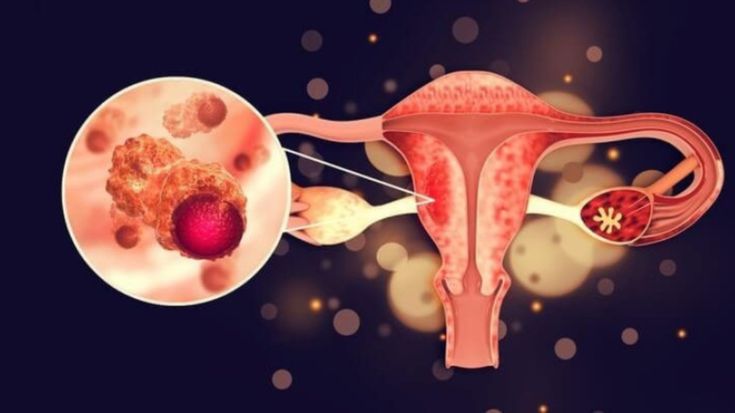
Ovarian cancer is a group of cancers that develops in or around the ovaries, which are part of the female reproductive system. Some ovarian cancers can grow and spread before causing noticeable symptoms, making timely evaluation important. Early diagnosis and appropriate treatment can help improve disease control and treatment outcomes. Ovarian cancer treatment in Noida and Delhi NCR depends on the type and stage of cancer, tumor spread, surgical findings, overall health and individual treatment needs. As a radiation oncologist, Dr. Gagan provides comprehensive cancer care with a focus on advanced radiation therapy for selected ovarian cancer patients. Depending on the diagnosis and stage, treatment may involve surgery, chemotherapy, radiation therapy, targeted therapy, immunotherapy or a combination of approaches. If you are looking for an ovarian cancer specialist, ovarian cancer treatment or an experienced radiation oncologist for cancer treatment, timely consultation can help determine the most appropriate treatment approach.
What Is Ovarian Cancer?
Ovarian cancer occurs when abnormal cells in or around the ovary begin to grow uncontrollably. Ovarian cancers can arise from different types of cells and their behavior and treatment can vary. The most common ovarian cancers are epithelial ovarian cancers. Other types include germ cell tumors and stromal tumors. Risk factors may include increasing age, a family history of ovarian or breast cancer, inherited genetic changes such as BRCA1 or BRCA2 mutations, certain reproductive factors and endometriosis. However, ovarian cancer can also occur in people without known risk factors. Some ovarian cancers can spread within the abdomen and pelvis before they are detected, which makes appropriate evaluation of persistent symptoms important.
Symptoms of Ovarian Cancer
Ovarian cancer may cause symptoms such as:
- Persistent abdominal or pelvic pain
- Abdominal swelling or bloating
- Feeling full quickly while eating
- Loss of appetite
- Unexplained weight loss
- Changes in bowel habits
- Changes in urination or increased urinary frequency
- Persistent indigestion
- Fatigue or weakness
- Back pain
- Changes in menstrual patterns in some patients
- Abnormal vaginal bleeding in selected cases
These symptoms can also occur due to many non-cancerous conditions. However, symptoms that are persistent, frequent or unusual for the individual should be evaluated by an appropriate doctor.
How Is Ovarian Cancer Diagnosed?
Diagnosis usually begins with a detailed medical history, physical examination and assessment of symptoms. Depending on the clinical findings, additional investigations may be recommended.
These may include:
- Pelvic examination
- Transvaginal ultrasound
- Abdominal ultrasound
- CT scan
- MRI in selected cases
- PET-CT in selected situations
- Blood tests
- Tumor marker testing such as CA-125 when appropriate
- Biopsy or surgical tissue examination
- Genetic testing in selected patients
- Additional investigations to determine the stage of cancer
Imaging tests help assess the size and location of an ovarian mass and whether the disease has spread within the pelvis or abdomen. Tissue examination is generally required to confirm the type of ovarian cancer. In many cases, diagnosis and staging are closely linked to surgical evaluation.
Ovarian Cancer Treatment
The treatment of ovarian cancer depends on several factors, including the cancer type and stage, extent of disease, surgical findings, tumor biology and the patient's overall health.
Treatment may include:
- Surgery
- Chemotherapy
- Radiation therapy
- Targeted therapy
- Maintenance therapy
- Immunotherapy in selected cases
- A combination of treatments
For many patients with epithelial ovarian cancer, surgery followed by chemotherapy is an important part of treatment. In selected cases, chemotherapy may be given before surgery. Radiation therapy has a more selective role in ovarian cancer and may be considered for specific localized, recurrent or symptomatic disease. A multidisciplinary gynecologic oncology team evaluates each patient to determine the most appropriate treatment strategy.
Radiation Therapy for Ovarian Cancer
Radiation therapy uses precisely targeted high-energy radiation to destroy cancer cells and control tumor growth. It is not routinely used as the primary treatment for most ovarian cancers, but it may have a role in selected patients. Radiation therapy may be considered for localized recurrent disease, specific areas that are difficult to control with surgery or systemic therapy or for symptom relief in selected advanced cases. Modern radiation techniques allow the treatment team to carefully target the affected area while limiting unnecessary radiation exposure to nearby organs such as the bowel, bladder, kidneys and other abdominal or pelvic structures. The role of radiation therapy depends on the cancer type, location, extent of disease, previous treatment and individual treatment goals.
Radiation Therapy for Recurrent Ovarian Cancer
Ovarian cancer can sometimes return after initial treatment. When recurrence occurs in a limited or localized area, radiation therapy may be considered for selected patients. Radiation can be used to control a specific recurrent tumor or help relieve symptoms caused by localized disease. In some situations, highly focused radiation techniques may be considered when appropriate. The decision to use radiation therapy depends on factors such as the location and size of the recurrence, previous radiation exposure, other treatments received and the patient's overall health.
Advanced Radiation Therapy for Ovarian Cancer
Radiation therapy for ovarian cancer requires careful planning because the ovaries and surrounding pelvic or abdominal structures are located close to sensitive organs such as the small bowel, large bowel, bladder and kidneys. Techniques such as Intensity-Modulated Radiation Therapy (IMRT), image-guided radiation therapy (IGRT) and stereotactic radiation therapy may be considered for appropriately selected patients. These techniques can help deliver radiation more precisely to the treatment area while limiting unnecessary radiation exposure to surrounding healthy tissues. Detailed imaging and treatment planning are particularly important when treating recurrent or localized ovarian cancer. The choice of radiation technique depends on the tumor location, size, previous treatment, treatment intent and the patient's overall clinical condition.
Why Choose a Radiation Oncologist for Ovarian Cancer Treatment?
Radiation therapy for ovarian cancer requires careful consideration because the disease may involve multiple areas within the abdomen or pelvis and the treatment area can be close to sensitive organs. An experienced radiation oncologist evaluates the patient's pathology, imaging, surgical findings and previous treatments to determine whether radiation therapy may provide a benefit. Dr. Gagan focuses on personalized cancer treatment planning and advanced radiation therapy techniques, with treatment decisions based on the patient's diagnosis, cancer stage, medical history, previous treatment and individual treatment requirements.
What to Expect During Ovarian Cancer Radiation Treatment
Before radiation therapy begins, the radiation oncology team performs detailed treatment planning to determine the appropriate radiation dose, treatment area and schedule.
During treatment:
- The patient is positioned carefully for each treatment session.
- Imaging is used to identify the treatment area and nearby healthy organs.
- The treatment plan is designed to minimize unnecessary radiation exposure to surrounding tissues.
- Radiation is delivered according to the prescribed treatment plan.
- The oncology team regularly monitors the patient's response and manages treatment-related side effects.
Some patients may experience side effects such as tiredness, nausea, abdominal discomfort, diarrhea or changes in bowel habits depending on the treatment area. The severity of side effects varies from person to person.
Importance of Early Ovarian Cancer Evaluation
Ovarian cancer symptoms can sometimes resemble common digestive or gynecological conditions. Persistent bloating, abdominal swelling, pelvic discomfort, early fullness while eating or unexplained changes in bowel or urinary habits should not be ignored. Early evaluation can help identify the underlying cause and determine whether further investigations are required. If ovarian cancer is diagnosed, timely consultation with a multidisciplinary gynecologic cancer team can help establish an individualized treatment plan. Depending on the patient's condition, treatment may involve a gynecologic oncologist, medical oncologist, radiation oncologist, gynecologist, radiologist, pathologist, surgeon, genetic counsellor and other healthcare professionals working together.
Personalized Ovarian Cancer Treatment
Every ovarian cancer diagnosis is different. Treatment decisions depend on the cancer type, stage, extent of spread, tumor biology, surgical findings, previous treatments and overall health. Many patients with epithelial ovarian cancer require a combination of surgery and systemic treatment. Selected patients may benefit from targeted or maintenance therapies based on the characteristics of their cancer. Radiation therapy may be considered for selected localized or recurrent tumors or for symptom control when appropriate. A personalized treatment plan helps the oncology team select the most appropriate combination and sequence of treatments for each patient.
Consult Dr. Gagan for Ovarian Cancer Treatment
An ovarian cancer diagnosis can be challenging, but timely evaluation and appropriate treatment planning can help patients understand their diagnosis and available treatment options. If you are searching for an ovarian cancer doctor, ovarian cancer treatment specialist, best radiation oncologist for ovarian cancer in Noida and Delhi NCR or cancer treatment specialist, consult Dr. Gagan for an individualized evaluation and treatment plan. Book a consultation with Dr. Gagan to discuss your ovarian cancer diagnosis and understand whether advanced radiation therapy may be appropriate for your condition.
Frequently Asked Questions
1. Can ovarian cancer be treated with radiation therapy?
Yes. Radiation therapy may be used for selected ovarian cancer patients, particularly for localized recurrent disease or specific tumors that require local control or symptom relief. It is not routinely the primary treatment for most ovarian cancers.
2. What is the main treatment for ovarian cancer?
Treatment depends on the type and stage of ovarian cancer. Surgery and chemotherapy are commonly important components of treatment, while targeted therapy, maintenance therapy, immunotherapy and radiation therapy may be considered for selected patients.
3. Is radiation therapy painful for ovarian cancer?
The radiation treatment session itself is generally painless. Some patients may experience tiredness, nausea, abdominal discomfort or bowel changes depending on the treatment area.
4. How is ovarian cancer diagnosed?
Diagnosis may involve a pelvic examination, ultrasound, CT or MRI and blood tests such as CA-125 when appropriate. Tissue examination, often obtained during surgery or biopsy, is generally needed to confirm the diagnosis.
5. What are the early symptoms of ovarian cancer?
Possible symptoms include persistent bloating, abdominal or pelvic discomfort, feeling full quickly, loss of appetite and changes in bowel or urinary habits. Persistent or unusual symptoms should be evaluated by a doctor.
6. When should I see a radiation oncologist for ovarian cancer?
You should consider consulting a radiation oncologist after an ovarian cancer diagnosis when radiation therapy is being considered for localized, recurrent or symptomatic disease. Specialist evaluation can help determine whether advanced radiation therapy may be appropriate for your condition.