Thoracic Cancer Treatment
Expert Thoracic Cancer Care with Advanced Radiation Therapy
Thoracic cancer refers to cancers that develop in the chest, including cancers of the lungs, mediastinum, thymus and other structures within the thoracic region. Lung cancer is one of the most common types of thoracic cancer, while other thoracic cancers may be less common. Thoracic cancer treatment in Noida and Delhi NCR depends on the type and stage of cancer, tumor location, overall health, lung function and individual treatment needs. As a radiation oncologist, Dr. Gagan provides comprehensive cancer care with a focus on advanced radiation therapy for thoracic cancers. Treatment is carefully planned to target cancer cells while minimizing unnecessary radiation exposure to nearby healthy tissues. If you are looking for a thoracic cancer specialist, thoracic cancer treatment or an experienced radiation oncologist for cancer treatment, timely consultation can help determine the most appropriate treatment approach.
What Is Thoracic Cancer?
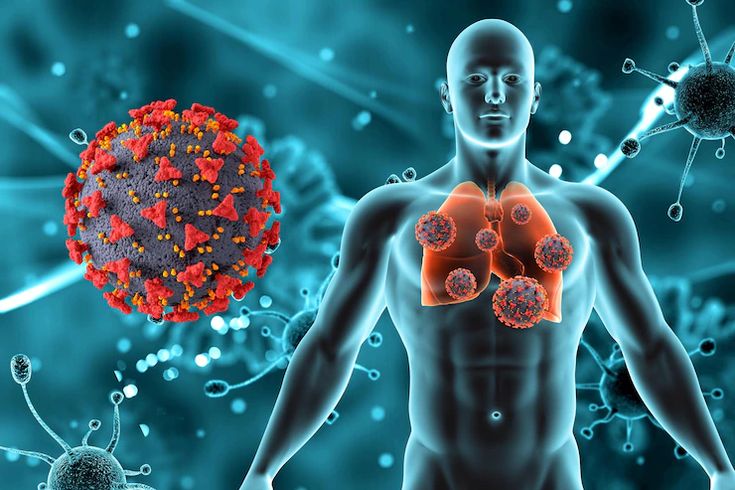
Thoracic cancer refers to malignant tumors that develop in the chest or thoracic cavity. These cancers may originate in the lungs, thymus, mediastinum, chest wall or other structures within the chest. Lung cancer is the most common thoracic cancer and may include non-small cell lung cancer (NSCLC) and small cell lung cancer (SCLC). Other thoracic tumors may include thymic tumors, mediastinal tumors and certain rare cancers affecting the chest. Risk factors vary according to the specific type of cancer. For lung cancer, tobacco smoking is a major risk factor. Exposure to secondhand smoke, certain workplace substances, air pollution, radon and previous radiation exposure may also increase risk.
Symptoms of Thoracic Cancer
Symptoms of thoracic cancer may vary depending on the location and type of tumor. Possible symptoms include:
- Persistent or worsening cough
- Coughing up blood
- Chest pain or discomfort
- Shortness of breath
- Recurrent respiratory infections
- Unexplained weight loss
- Persistent tiredness or weakness
- Hoarseness or voice changes
- Difficulty swallowing
- Wheezing
- Loss of appetite
- Swelling in the face, neck or upper chest in some cases
These symptoms can occur due to several non-cancerous conditions. However, persistent or unexplained symptoms should be evaluated by an appropriate doctor, particularly when risk factors for cancer are present.
How Is Thoracic Cancer Diagnosed?
Diagnosis usually begins with a detailed medical history, physical examination and assessment of symptoms. Depending on the suspected cancer, the doctor may recommend imaging and tissue-based investigations.
These may include:
- Chest X-ray
- CT scan of the chest
- PET-CT scan
- MRI in selected cases
- Bronchoscopy
- Biopsy or tissue sampling
- Mediastinoscopy or other procedures when required
- Pulmonary function tests
- Molecular or biomarker testing for selected lung cancers
- Additional investigations to determine the stage of cancer
A biopsy is often required to confirm the diagnosis and identify the specific type of cancer. Staging helps the oncology team determine whether the disease is localized, involves nearby lymph nodes or has spread to distant organs.
Thoracic Cancer Treatment
The treatment of thoracic cancer depends on the type and stage of cancer, tumor location, molecular characteristics, lung function and overall health of the patient.
Depending on the diagnosis, treatment may involve:
- Surgery
- Radiation therapy
- Chemotherapy
- Immunotherapy
- Targeted therapy
- Chemoradiation
- A combination of different treatments
For lung cancer, treatment is often determined by whether the disease is early-stage, locally advanced or metastatic. A multidisciplinary cancer team evaluates the individual case to develop an appropriate treatment strategy.
Radiation Therapy for Thoracic Cancer
Radiation therapy uses precisely targeted high-energy radiation to destroy cancer cells and control tumor growth. It may be used as a primary treatment, before or after surgery, together with chemotherapy or for symptom control in advanced disease. For selected patients with early-stage lung cancer who are not suitable for surgery, highly focused radiation techniques such as Stereotactic Body Radiation Therapy (SBRT) may be considered. For locally advanced thoracic cancers, radiation therapy may be combined with chemotherapy or other systemic treatments depending on the diagnosis and treatment plan. Modern radiation techniques allow the radiation oncology team to carefully plan the treatment area and dose while limiting unnecessary exposure to nearby healthy tissues.
Advanced Radiation Therapy for Thoracic Cancer
Thoracic radiation therapy requires precise treatment planning because tumors in the chest can be located close to important organs such as the heart, lungs, esophagus and spinal cord. Techniques such as Intensity-Modulated Radiation Therapy (IMRT), image-guided radiation therapy (IGRT), respiratory motion management and stereotactic radiation therapy may be considered for appropriately selected patients. These techniques can help improve treatment precision and reduce radiation exposure to nearby healthy tissues. The choice of technique depends on the tumor's size, location, stage, movement with breathing and the patient's overall condition.
Chemoradiation for Thoracic Cancer
For certain locally advanced thoracic cancers, radiation therapy may be combined with chemotherapy. This approach is known as chemoradiation. Chemotherapy may enhance the effectiveness of radiation against cancer cells in appropriately selected patients. Depending on the type of cancer, other systemic treatments such as immunotherapy may also form part of the overall treatment plan. The exact medicines, radiation dose, treatment schedule and sequence are individualized according to the patient's diagnosis, cancer stage, overall health and previous treatment.
Stereotactic Body Radiation Therapy for Lung Cancer
Stereotactic Body Radiation Therapy or SBRT, is an advanced radiation technique that delivers a high dose of radiation to a precisely defined tumor in a limited number of treatment sessions. SBRT may be considered for selected patients with early-stage lung cancer, particularly when surgery is not appropriate. It may also have a role in treating certain limited areas of recurrent or metastatic disease. Because the technique delivers a high radiation dose with precision, detailed imaging, treatment planning and motion management are important before treatment begins. Not every patient is suitable for SBRT. The decision depends on factors such as tumor size, location, stage, lung function and the patient's overall health.
Why Choose a Radiation Oncologist for Thoracic Cancer Treatment?
Radiation therapy for thoracic cancer requires careful planning because the chest contains several critical organs and structures. Radiation exposure to healthy lung tissue, heart, esophagus and spinal cord needs to be considered during treatment planning. An experienced radiation oncologist evaluates the cancer and develops an individualized treatment plan based on the tumor's location, stage, movement during breathing and the patient's overall treatment goals. Dr. Gagan focuses on personalized cancer treatment planning and advanced radiation therapy techniques, with treatment decisions based on the patient's diagnosis, stage, medical history and individual treatment requirements.
What to Expect During Thoracic Cancer Radiation Treatment
Before radiation therapy begins, the radiation oncology team performs detailed treatment planning to determine the appropriate radiation dose, treatment area and schedule.
During treatment:
- The patient is positioned carefully for each treatment session.
- Imaging scans are used to identify the tumor and surrounding organs.
- Treatment planning accounts for tumor movement caused by breathing when required.
- Radiation is delivered according to the prescribed treatment plan.
- The oncology team regularly monitors the patient's response and manages treatment-related side effects.
Some patients may experience side effects such as tiredness, skin irritation, cough, difficulty swallowing or chest discomfort. Depending on the treatment area and dose, radiation to the chest can also cause inflammation of the esophagus or lungs. The type and severity of side effects vary from person to person.
Importance of Early Thoracic Cancer Evaluation
Persistent respiratory symptoms should not always be attributed to common respiratory conditions, particularly when symptoms continue or worsen over time. Early evaluation can help identify the underlying cause and determine whether further testing is necessary. If thoracic cancer is diagnosed, timely consultation with a multidisciplinary cancer team can help establish an individualized treatment plan. Depending on the diagnosis, treatment may involve a radiation oncologist, medical oncologist, thoracic surgeon, pulmonologist, radiologist, pathologist and other healthcare professionals working together.
Personalized Thoracic Cancer Treatment
Every thoracic cancer diagnosis is different. Treatment decisions depend on the cancer type, stage, tumor location, molecular characteristics, lung function, previous treatment and overall health. Some patients with early-stage lung cancer may benefit from surgery or stereotactic radiation therapy, while patients with locally advanced disease may require a combination of radiation therapy and systemic treatment. Advanced cancers may require systemic therapies such as chemotherapy, targeted therapy or immunotherapy, with radiation used in selected situations. A personalized treatment plan helps the oncology team select the most appropriate combination and sequence of treatments for each patient.
Consult Dr. Gagan for Thoracic Cancer Treatment
A thoracic cancer diagnosis can be challenging, but timely evaluation and appropriate treatment planning can help patients understand their condition and available treatment options. If you are searching for a thoracic cancer doctor, thoracic cancer treatment specialist, best radiation oncologist for thoracic cancer in Noida and Delhi NCR or cancer treatment specialist, consult Dr. Gagan for an individualized evaluation and treatment plan. Book a consultation with Dr. Gagan to discuss your thoracic cancer diagnosis and understand whether advanced radiation therapy may be appropriate for your condition.
Frequently Asked Questions
1. Can thoracic cancer be treated with radiation therapy?
Yes. Radiation therapy is an important treatment option for several thoracic cancers, including selected lung cancers. It may be used alone or in combination with surgery, chemotherapy or other systemic treatments.
2. What is the main treatment for thoracic cancer?
Treatment depends on the specific type and stage of thoracic cancer. Surgery, radiation therapy, chemotherapy, immunotherapy and targeted therapy may be used individually or in combination.
3. What is SBRT for lung cancer?
SBRT is an advanced radiation technique that delivers highly focused radiation to a lung tumor in a limited number of treatment sessions. It may be appropriate for selected patients with early-stage lung cancer or certain limited tumors.
4. Is radiation therapy painful for thoracic cancer?
The radiation treatment session itself is generally painless. However, some patients may develop side effects such as tiredness, skin irritation, cough, difficulty swallowing or chest discomfort during or after treatment.
5. How is thoracic cancer diagnosed?
Diagnosis may involve imaging tests such as CT or PET-CT, bronchoscopy, biopsy and additional laboratory or molecular tests depending on the suspected cancer. A tissue diagnosis is often required to determine the specific type of cancer.
6. When should I see a radiation oncologist for thoracic cancer?
You should consider consulting a radiation oncologist after a thoracic cancer diagnosis or when radiation therapy is being considered as part of your treatment plan. Specialist evaluation can help determine whether radiation therapy is appropriate and how it may fit into your overall cancer treatment.