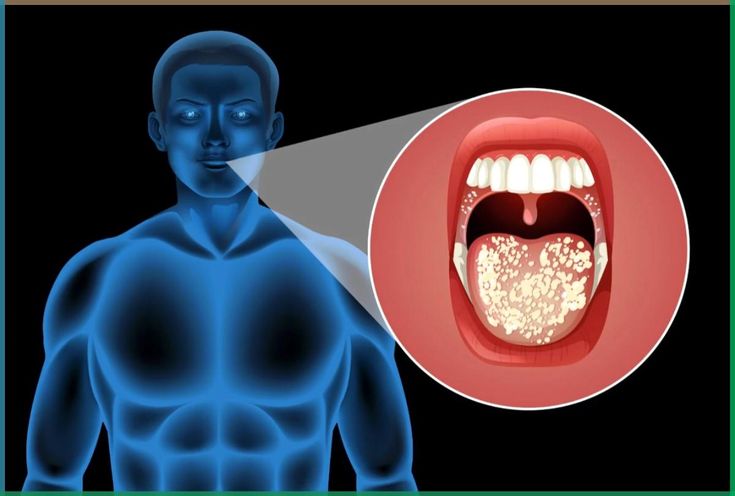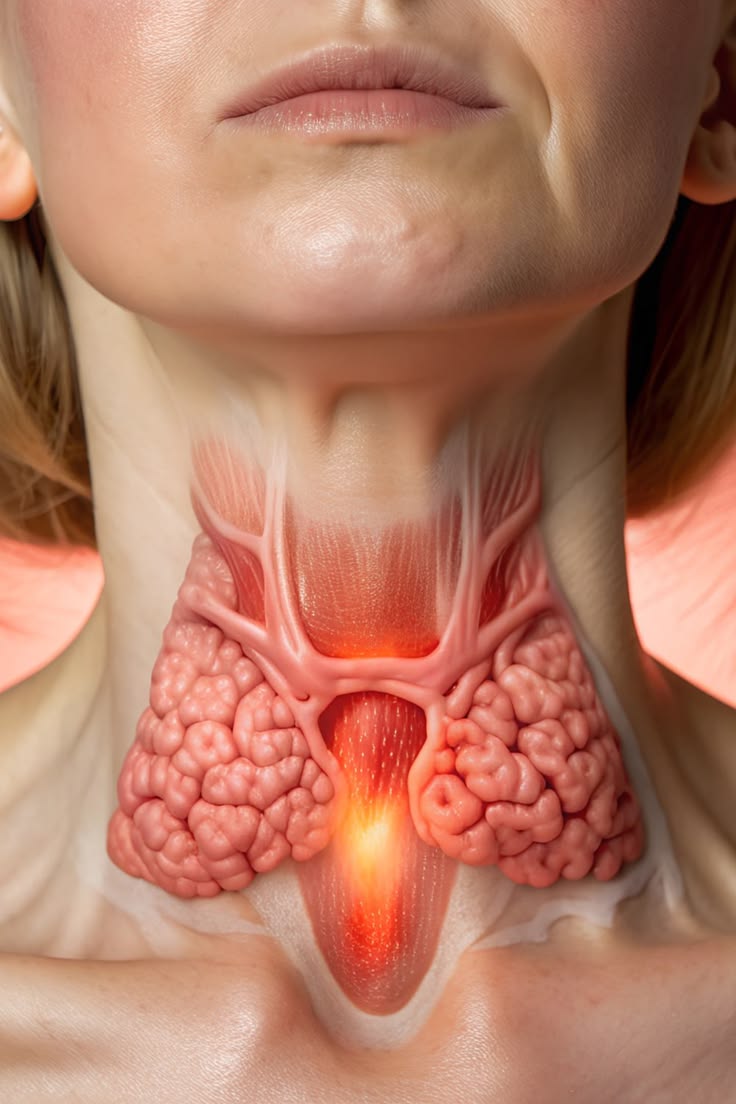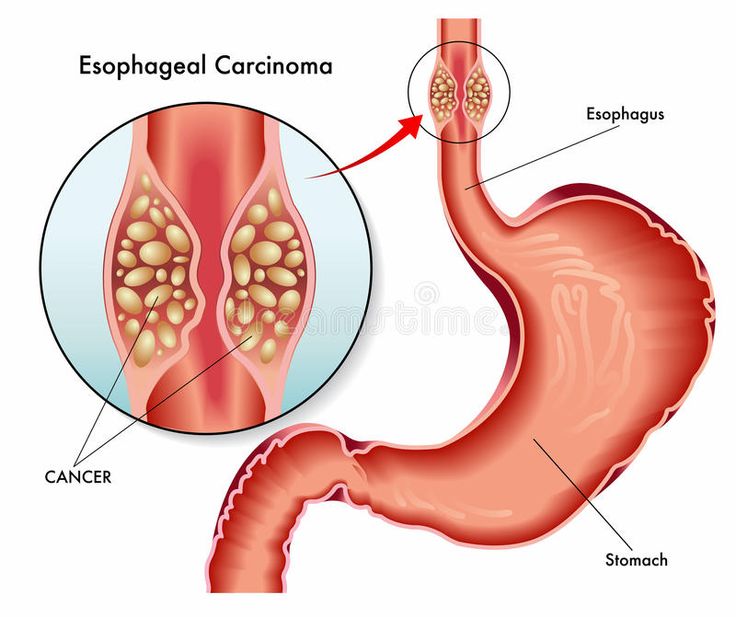

Throat cancer is a type of cancer that develops in the tissues of the throat, including areas such as the pharynx and nearby structures. It can affect different parts of the throat and may vary in its type, location and stage. Throat cancer treatment in Noida and Delhi NCR depends on the location and stage of the cancer, tumor size, lymph node involvement, overall health and individual treatment needs. As a radiation oncologist, Dr. Gagan Saini provides comprehensive cancer care with a focus on advanced radiation therapy for selected patients with throat cancer. Depending on the type and stage, treatment may involve radiation therapy, surgery, chemotherapy, immunotherapy or a combination of approaches. If you are looking for a throat cancer specialist, throat cancer treatment or an experienced radiation oncologist for cancer treatment, timely consultation can help determine the most appropriate treatment approach.
What Is Throat Cancer?
Throat cancer develops when abnormal cells in the tissues of the throat begin to grow uncontrollably and form a tumor. Throat cancers can develop in different areas, including the pharynx and other structures involved in breathing, swallowing and speech. Most throat cancers are squamous cell carcinomas, which develop from the thin cells lining the throat. Some throat cancers may be associated with tobacco and alcohol use, while certain cancers of the throat may also be associated with human papillomavirus (HPV) infection. Other factors may include prolonged exposure to certain irritants and a history of head and neck cancer.
Symptoms of Throat Cancer
Throat cancer may cause symptoms such as:
- Persistent sore throat
- Difficulty or pain while swallowing
- Persistent hoarseness or voice changes
- A lump or swelling in the neck
- Ear pain without an obvious ear problem
- Difficulty breathing
- Persistent cough
- Unexplained weight loss
- Blood in saliva or sputum
- A sore or lesion in the throat that does not heal
- Changes in speech or swallowing
These symptoms can also occur due to infections and other non-cancerous conditions. However, persistent or worsening symptoms should be evaluated by a doctor, particularly when they do not improve with routine treatment.
How Is Throat Cancer Diagnosed?
Diagnosis usually begins with a detailed medical history and examination of the throat, mouth and neck. If a suspicious area is identified, additional investigations may be recommended.
These may include:
- Physical examination
- Endoscopic examination of the throat
- Biopsy of a suspicious lesion
- CT scan
- MRI
- PET-CT in selected cases
- Evaluation of lymph nodes in the neck
- Additional imaging to determine the extent and stage of cancer
A biopsy is generally required to confirm throat cancer and determine the type of tumor. Imaging helps evaluate the size and location of the primary tumor and whether nearby lymph nodes or other areas are involved. The pathology and imaging findings are evaluated along with the patient's clinical condition to determine the stage and guide treatment planning.
Throat Cancer Treatment
The treatment of throat cancer depends on the location and stage of the cancer, tumor characteristics, lymph node involvement, overall health and individual treatment goals.
Treatment may include:
- Radiation therapy
- Surgery
- Chemotherapy
- Immunotherapy
- Targeted treatment in selected cases
- A combination of treatments
For some patients with early-stage disease, radiation therapy or surgery may be used as the primary treatment. For locally advanced throat cancer, radiation therapy may be combined with chemotherapy or other systemic treatments. The treatment plan is individualized according to the location of the tumor, stage of disease, functional considerations and overall health.
Radiation Therapy for Throat Cancer
Radiation therapy can play an important role in the treatment of throat cancer. It may be used as the primary treatment for selected tumors or after surgery to reduce the risk of recurrence. For locally advanced throat cancers, radiation therapy may be combined with chemotherapy or other systemic treatments when appropriate. Radiation treatment requires careful planning because the throat is located close to several important structures involved in swallowing, speech, salivary function and breathing. Modern radiation techniques can help target the cancer while limiting unnecessary radiation exposure to surrounding healthy tissues.
Radiation Therapy for Locally Advanced Throat Cancer
For selected patients with locally advanced throat cancer, radiation therapy may be combined with systemic treatment as part of an organ-preserving treatment approach. The exact treatment plan depends on the tumor location, stage, lymph node involvement, overall health and individual treatment goals. Radiation may be directed toward the primary tumor and selected lymph node regions in the neck when clinically appropriate. Careful treatment planning is used to treat the areas at risk while attempting to reduce unnecessary radiation exposure to nearby structures such as the salivary glands, spinal cord, swallowing muscles and other healthy tissues.
Radiation Therapy After Throat Cancer Surgery
For some patients, radiation therapy may be recommended after surgery when there are specific features that increase the risk of cancer recurrence. Depending on the pathology findings, radiation may be directed toward the area of the primary tumor and selected lymph node regions. In certain cases, radiation therapy may be combined with systemic treatment. The need for additional treatment depends on the surgical findings, pathology, cancer stage and individual risk factors.
Radiation Therapy for Recurrent or Advanced Throat Cancer
Radiation therapy may also be considered for selected patients with recurrent or advanced throat cancer. It may be used to treat localized recurrent disease, control tumor growth or relieve symptoms depending on the patient's condition and previous treatment history. For advanced disease, systemic treatments such as chemotherapy, immunotherapy or targeted treatment may also be important. The appropriate approach depends on the cancer type, sites of spread, previous treatment and overall health. A multidisciplinary oncology team evaluates the patient to determine the most appropriate treatment strategy.
Advanced Radiation Therapy for Throat Cancer
Radiation therapy for throat cancer requires precise planning because the treatment area can be close to sensitive structures involved in swallowing, speech, salivary function and neurological function. Techniques such as Intensity-Modulated Radiation Therapy (IMRT) and image-guided radiation therapy (IGRT) may be considered for appropriately selected patients. These techniques can help deliver radiation more precisely to the intended tumor and lymph node regions while limiting unnecessary radiation exposure to surrounding healthy tissues. The radiation technique, treatment area and dose are selected according to the patient's cancer stage, tumor location, anatomy, treatment intent and previous treatment.
Why Choose a Radiation Oncologist for Throat Cancer Treatment?
Throat cancer treatment may require close coordination between head and neck surgeons, medical oncologists, radiation oncologists, radiologists, pathologists, speech and swallowing specialists and other healthcare professionals. An experienced radiation oncologist evaluates the patient's pathology, imaging, tumor location, lymph node involvement, cancer stage and previous treatments before determining whether radiation therapy may be beneficial. Because treatment can affect important functions such as swallowing, speech and salivary function, careful radiation planning is essential. Dr. Gagan focuses on personalized cancer treatment planning and advanced radiation therapy techniques, with treatment decisions based on the patient's diagnosis, cancer stage, medical history and individual treatment requirements.
What to Expect During Throat Cancer Radiation Treatment
Before radiation therapy begins, the radiation oncology team performs detailed treatment planning to determine the appropriate radiation dose, treatment area and schedule.
During treatment:
- The patient is positioned carefully for each treatment session.
- Imaging is used to identify the tumor, lymph node regions and nearby healthy structures.
- The treatment plan is designed to minimize unnecessary radiation exposure to surrounding tissues.
- Radiation is delivered according to the prescribed treatment plan.
- The oncology team regularly monitors the patient's response and manages treatment-related side effects.
Some patients may experience sore throat, difficulty swallowing, dry mouth, changes in taste, skin changes, tiredness or other treatment-related effects. Side effects vary from person to person and depend on the radiation dose, treatment field, tumor location, treatment technique and individual factors.
Importance of Early Throat Cancer Evaluation
Persistent throat discomfort, difficulty swallowing, unexplained voice changes or a lump in the neck should not be ignored, particularly when symptoms continue for several weeks or do not respond to routine treatment. Early evaluation can help determine whether symptoms are caused by an infection, inflammation, another non-cancerous condition or an underlying tumor.
If throat cancer is diagnosed, timely consultation with a multidisciplinary cancer team can help establish an appropriate treatment plan. Depending on the patient's condition, treatment may involve a head and neck surgeon, medical oncologist, radiation oncologist, radiologist, pathologist and other healthcare professionals working together.
Personalized Throat Cancer Treatment
Every throat cancer diagnosis is different. Treatment decisions depend on the exact location of the tumor, cancer stage, tumor characteristics, lymph node involvement, pathology, imaging findings and overall health. Patients with early-stage disease may be candidates for surgery or radiation therapy depending on the tumor location and individual treatment goals. Patients with locally advanced disease may require a combination of radiation therapy and systemic treatment, while selected patients with recurrent or advanced disease may require additional systemic therapy or localized radiation treatment. A personalized treatment plan helps the oncology team select the most appropriate combination and sequence of treatments while considering cancer control, swallowing function, speech, nutrition and long-term quality of life.
Consult Dr. Gagan Saini for Throat Cancer Treatment
A throat cancer diagnosis can be challenging, particularly because the disease and its treatment can affect important functions such as swallowing, speaking and breathing. Timely evaluation and appropriate treatment planning can help patients understand their diagnosis, available treatment options and potential side effects. If you are searching for a throat cancer doctor, throat cancer treatment specialist, best radiation oncologist for throat cancer in Noida and Delhi NCR or cancer treatment specialist, consult Dr. Gagan Saini for an individualized evaluation and treatment plan. Book a consultation with Dr. Gagan Saini to discuss your throat cancer diagnosis and understand whether advanced radiation therapy may be appropriate for your condition.
Frequently Asked Questions
1. Can throat cancer be treated with radiation therapy?
Yes. Radiation therapy may be used as a primary treatment or after surgery, depending on the type, location and stage of throat cancer.
2. What are the common symptoms of throat cancer?
Persistent sore throat, difficulty swallowing, voice changes, a lump in the neck, unexplained weight loss and persistent cough may occur. Symptoms vary depending on the location and extent of the cancer.
3. Is radiation therapy used after throat cancer surgery?
Yes. Radiation therapy may be recommended after surgery for selected patients when pathology or other cancer-related factors indicate a higher risk of recurrence.
4. What are the side effects of throat cancer radiation therapy?
Some patients may experience sore throat, difficulty swallowing, dry mouth, changes in taste, skin changes and tiredness. Side effects vary depending on the treatment area and individual factors.
5. Can radiation therapy help treat recurrent throat cancer?
Yes. Radiation therapy may be considered for selected patients with recurrent throat cancer depending on the location of recurrence, previous treatment and overall health.
6. When should I see a radiation oncologist for throat cancer?
You should consider consulting a radiation oncologist when radiation therapy is being considered as part of your throat cancer treatment, including selected early-stage, locally advanced, postoperative or recurrent disease.