Cancer treatment has advanced considerably over the years, with modern radiation techniques helping doctors target tumours more precisely. One such advancement is adaptive radiotherapy, an approach that allows the radiation treatment plan to be adjusted when changes in the tumour or surrounding anatomy make an adjustment clinically appropriate. Traditional radiation therapy is planned using medical imaging and detailed calculations before treatment begins. However, the human body can change during a course of treatment. A tumour may shrink, nearby organs may shift or normal changes in the body may affect the position of the treatment area. Adaptive radiotherapy helps the medical team account for these changes rather than relying entirely on the original plan. For patients exploring advanced radiation therapy, understanding how adaptive radiotherapy works can make discussions with a radiation oncologist more informative. It is important to remember that this technique is not necessary for every patient. Its suitability depends on the type of cancer, tumour location, treatment goals and available technology. If you are considering Adaptive radiotherapy in Delhi NCR, consult a qualified radiation oncologist to understand whether this approach is appropriate for your specific condition.
What Is Adaptive Radiotherapy?
Adaptive radiotherapy is an advanced form of radiation therapy in which the treatment plan can be modified during the course of treatment to account for changes in the tumour or surrounding healthy tissues. In conventional radiation therapy, doctors develop a plan using imaging, tumour measurements and information about nearby organs. This plan guides the delivery of radiation over the prescribed treatment sessions. However, anatomy does not always remain exactly the same throughout treatment. For example, a tumour may reduce in size following treatment or an organ near the tumour may move slightly between sessions. In selected cases, these changes may affect how radiation should be delivered. Adaptive radiation therapy addresses this challenge by using updated imaging and clinical assessments to determine whether the existing plan remains appropriate or needs modification. The process may involve reviewing new images, outlining the tumour and nearby organs again, recalculating radiation doses and checking the revised plan before treatment proceeds. The aim is to maintain appropriate tumour coverage while limiting unnecessary radiation exposure to surrounding healthy tissues. The extent to which this can be achieved depends on the individual case, the technology used and the treatment plan.
How Does Adaptive Radiotherapy Work?
Adaptive radiotherapy combines imaging, treatment planning and clinical decision-making to help radiation oncologists respond to changes during cancer treatment. Although the exact process varies between treatment centres and technologies, the main steps generally include the following.
1. Initial Assessment and Treatment Planning
The first step is a detailed evaluation of the patient's diagnosis and overall health. The radiation oncologist reviews pathology reports, previous treatments and relevant imaging, such as CT or MRI scans. These assessments help determine the tumour's location, size and relationship with nearby organs. The medical team then develops an individualised radiation treatment plan based on the patient's clinical needs.
2. Imaging Before or During Treatment
Updated imaging may be performed before a treatment session or, with suitable technology, while radiation is being delivered. These images help the team assess whether the tumour and surrounding structures are positioned as expected. MRI-guided systems can provide detailed soft-tissue images, while other systems use different imaging methods suited to the treatment area.
3. Assessment of Anatomical Changes
The treatment team compares the updated images with the original treatment plan. They may identify changes in tumour size, the position of nearby organs or the shape of the treatment area. Such changes do not automatically mean that the plan must be altered. The clinical team evaluates whether they are significant enough to affect treatment accuracy or safety.
4. Modification of the Treatment Plan
If an adjustment is considered necessary, the team may modify the radiation plan to reflect the current anatomy. This can involve redefining the target area, adjusting radiation beam arrangements or recalculating the dose distribution. The revised plan must undergo appropriate checks before it is used. Not every treatment session requires a new plan. Some patients may receive adaptive adjustments only when clinically indicated, while others may need them more frequently.
5. Delivery and Monitoring
Once the plan has been reviewed and approved, radiation is delivered according to the updated instructions. The patient continues to receive follow-up assessments throughout the treatment course. The radiation oncology team monitors progress, reviews side effects and determines whether any further changes are required.
What Are the Benefits of Adaptive Radiotherapy?
Adaptive radiotherapy offers several potential advantages for appropriately selected patients. However, the benefits depend on the tumour, the surrounding anatomy and the specific radiation technology being used.
1. More Personalised Treatment Planning
One of the main advantages of adaptive radiotherapy is that the treatment plan can reflect changes in an individual's anatomy during treatment. Rather than relying solely on the initial images, the medical team can reassess the treatment area and make adjustments when necessary. This approach supports personalised cancer care, particularly when changes in tumour size or organ position could affect the original plan.
2. Improved Targeting of the Tumour
Tumours and nearby organs may change position or shape over time. Adaptive radiotherapy can help clinicians account for these changes when they are clinically relevant. By reassessing the treatment area and adjusting the plan when appropriate, the team aims to maintain accurate radiation delivery to the intended target.
3. Potential to Limit Radiation Exposure to Healthy Tissues
Radiation treatment must balance delivering an effective dose to the target with protecting nearby healthy organs. When anatomy changes, an older treatment plan may no longer represent the current situation as accurately as before. Adaptive planning can help the team reassess the dose distribution and reduce unnecessary exposure to surrounding tissues where feasible. This does not eliminate the risk of side effects, but it may improve dose management in selected cases.
4. Support for Treating Tumours Near Sensitive Organs
Some tumours are located close to structures that need careful protection, such as the bowel, bladder, spinal cord or other critical organs. In suitable cases, adaptive radiotherapy may help the radiation oncologist respond to anatomical changes and reassess the balance between tumour coverage and normal-tissue protection. Whether it provides a meaningful advantage depends on the tumour location and the available treatment system.
5. Better Management of Changes During Treatment
Cancer treatment is not always a static process. A tumour may respond to therapy and surrounding tissues can change between sessions. Adaptive radiotherapy provides a framework for reviewing these developments and modifying the treatment plan when needed. This helps the team make decisions based on the patient's current anatomy rather than relying entirely on the original assessment.
Important: Adaptive radiotherapy does not guarantee better cancer control, fewer side effects or a cure. These outcomes depend on many factors, including cancer type, stage, treatment dose and the overall treatment strategy.
What Is MRI-Guided Adaptive Radiotherapy?
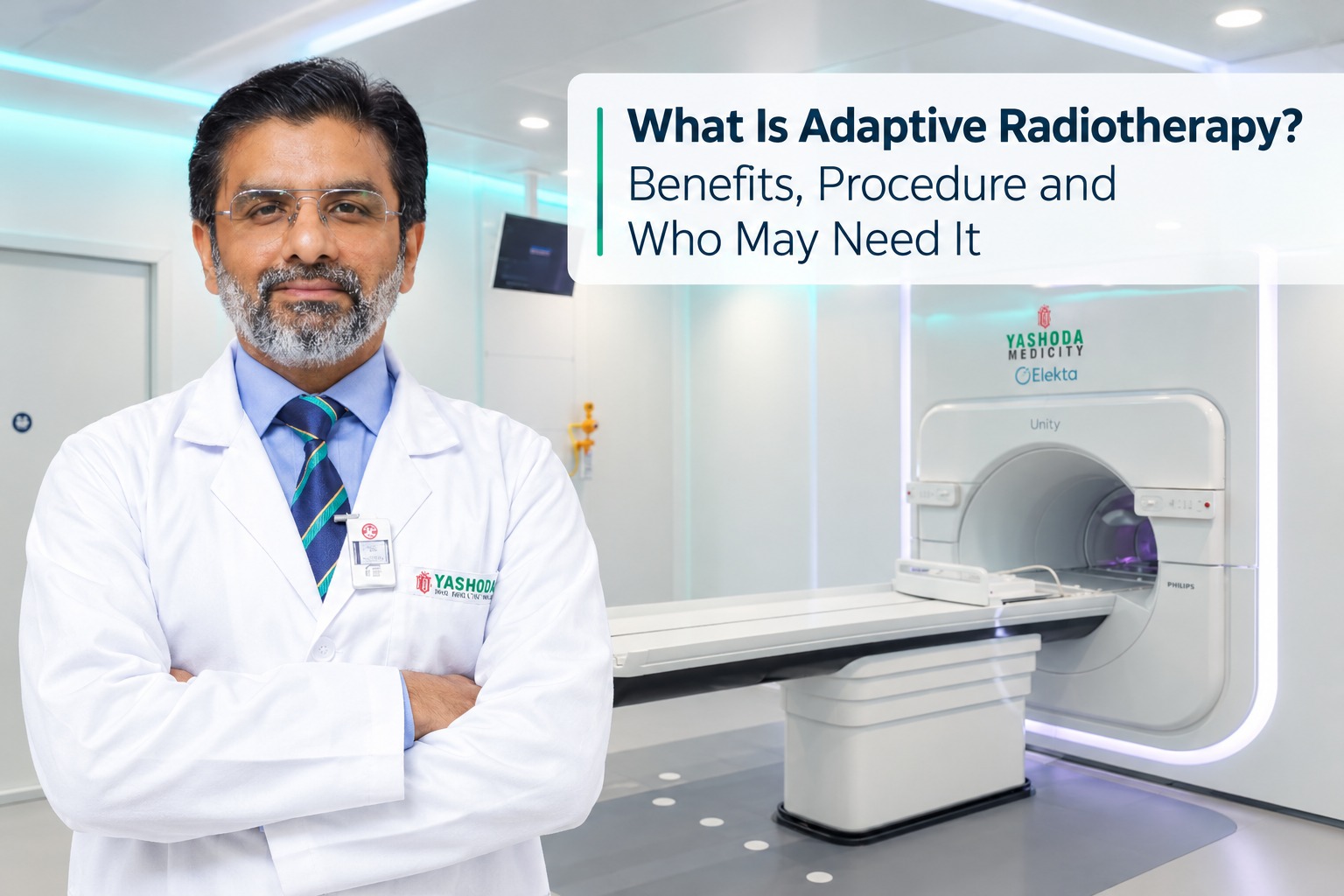
MRI-guided adaptive radiotherapy is a specialised approach that combines magnetic resonance imaging (MRI) with radiation delivery technology. MRI provides detailed images of soft tissues, which can be particularly useful when a tumour is located near organs whose position or shape may change. Some MRI-guided systems allow the treatment team to assess anatomy and adapt the radiation plan on the day of treatment. Certain systems can also monitor movement during radiation delivery and pause treatment when the target moves outside the acceptable range, according to the system's capabilities and treatment protocol. MRI-guided adaptive radiotherapy may be considered for selected tumours where soft-tissue visualisation and changes in anatomy are important to treatment planning. It is not automatically superior to every other radiation technique. A radiation oncologist determines whether MRI guidance offers a meaningful advantage over other suitable options, such as image-guided radiotherapy (IGRT), intensity-modulated radiotherapy (IMRT) or stereotactic techniques.
Who May Need Adaptive Radiotherapy?
Adaptive radiotherapy may be considered when changes in tumour size organ position or surrounding anatomy could influence the accuracy of radiation treatment. The decision is based on an individual clinical assessment rather than a single diagnosis.
Patients With Tumours Near Sensitive Organs
When a tumour lies close to an organ that needs careful protection, changes in anatomy may affect the planned radiation dose. Adaptive planning may help reassess this relationship during treatment.
Patients Whose Tumours Change During Treatment
Some tumours shrink or change shape in response to cancer treatment. If these changes affect the original radiation plan, the medical team may consider adapting it.
Patients With Tumours Affected by Organ Movement
The position of certain organs can vary with breathing, digestion, bladder filling or other normal body functions. Depending on the tumour location and technology available, adaptive techniques may help address some of these variations.
Patients Being Evaluated for MRI-Guided Treatment
Selected patients may be considered for MRI-guided adaptive radiotherapy when detailed soft-tissue imaging could help guide treatment decisions. The potential benefit depends on the cancer type, target location, treatment objective and the capabilities of the available system.
Patients Requiring Highly Individualised Radiation Planning
Some treatment situations are particularly complex because of previous treatment, changing anatomy or the proximity of critical structures. An experienced radiation oncologist can assess whether adaptive planning may be useful in these circumstances. Not every patient receiving radiation therapy needs an adaptive approach. Standard radiation techniques remain appropriate and effective for many cancer treatment plans.
What Happens During an Adaptive Radiotherapy Session?
The treatment experience varies depending on the radiation system and the area being treated. In general, patients can expect the following steps:
- Positioning: The patient lies on the treatment couch in the position planned by the radiation oncology team. Positioning aids may be used to help maintain consistency.
- Updated imaging: The team obtains images to check the treatment area and surrounding organs.
- Image review: The radiation oncologist and treatment team assess whether the existing plan remains suitable.
- Plan adjustment, if needed: If clinically indicated, the team modifies and checks the radiation plan before delivery.
- Radiation delivery: Treatment is delivered according to the approved plan. The patient is monitored throughout the session.
- Follow-up: The team reviews the patient's response, side effects and any changes that could influence subsequent sessions.
Adaptive sessions can take longer than sessions in which no plan modification is needed because imaging, contouring, dose calculations and safety checks require time. The duration varies by technology and clinical complexity. Radiation therapy itself is generally painless. Patients should tell their treatment team if they experience discomfort or anxiety during a session.
Are There Any Side Effects of Adaptive Radiotherapy?
Adaptive radiotherapy is still radiation therapy, so patients may experience side effects related to the treatment area, dose and individual circumstances.
Possible effects include:
- Fatigue or reduced energy.
- Skin irritation in the treated area.
- Nausea or digestive symptoms when relevant organs are exposed.
- Changes in bowel or bladder function, depending on the treatment site.
- Other organ-specific effects that may develop during or after treatment.
Not every patient experiences these effects and their severity varies. Adaptive planning may help manage radiation exposure to healthy tissues in selected cases, but it cannot eliminate all treatment-related risks. Before treatment begins, the radiation oncologist should explain the expected benefits, potential side effects, available alternatives and appropriate supportive care. Patients should report new or worsening symptoms promptly rather than waiting until their next scheduled appointment.
Adaptive Radiotherapy vs. Conventional Radiation Therapy
Both approaches aim to deliver radiation accurately to the intended treatment area. The key difference is how the treatment plan is managed when anatomy changes.
| Feature | Conventional radiation therapy | Adaptive radiotherapy |
| Initial planning | Based on diagnostic imaging and treatment simulations | Also begins with detailed imaging and planning |
| Response to anatomical changes | Managed through the applicable imaging and plan-review protocols | Allows the plan to be modified when clinically indicated |
| Imaging and reassessment | Depends on the technique and treatment protocol | May involve additional imaging and reassessment during treatment |
| Treatment duration | Varies by technique and prescription | Adaptive sessions may take longer when replanning is required |
| Suitability | Appropriate for many cancer treatment situations | Selected when adaptation may provide a meaningful clinical benefit |
Conventional radiation therapy can already include image guidance and other precision techniques. Adaptive radiotherapy builds on these approaches by allowing further changes to the plan when needed. The most appropriate method depends on the patient's clinical requirements.
How to Know Whether Adaptive Radiotherapy Is Right for You
If you or a family member has been advised to undergo radiation therapy, ask the treating radiation oncologist whether changes in tumour position or surrounding anatomy could affect the treatment plan.
Useful questions include:
- Would adaptive radiotherapy offer a meaningful advantage in my case?
- Is MRI-guided treatment appropriate for my tumour location?
- How will the team monitor changes during treatment?
- Could the treatment affect nearby organs and how will those risks be managed?
- What alternatives are available and why is this technique being recommended?
Bring your pathology reports, previous imaging, treatment summaries and details of any earlier cancer treatment to the consultation. These records can help the specialist assess your options more accurately. An individualised discussion is especially important because a technically advanced treatment is not necessarily the most appropriate choice for every patient.
Consult a Radiation Oncologist for Personalised Cancer Treatment
Choosing a radiation treatment approach involves more than selecting the latest technology. The decision requires an understanding of the cancer diagnosis, tumour location, stage, treatment goals and the patient's overall health. Dr. Gagan Saini specialises in radiation oncology, including adaptive radiotherapy, MRI-guided adaptive radiotherapy and other precision-focused radiation techniques. Patients can discuss their diagnosis, treatment options and the potential role of adaptive radiotherapy during a specialist consultation. For more information about advanced radiation therapy and personalized cancer treatment, visit Dr. Gagan Saini official website.
Frequently Asked Questions (FAQs)
1. What is adaptive radiotherapy used for?
Adaptive radiotherapy is used to modify a radiation treatment plan when changes in the tumour or surrounding anatomy may affect treatment accuracy. It is suitable for selected cancer cases.
2. Is adaptive radiotherapy better than conventional radiation therapy?
Not in every case. Adaptive radiotherapy may offer advantages when anatomical changes are clinically important, while conventional radiation therapy remains appropriate for many patients.
3. Is MRI-guided adaptive radiotherapy painful?
The radiation delivery itself is generally painless. However, lying in the required position for an extended period may cause discomfort for some patients.
4. How long does an adaptive radiotherapy session take?
The duration varies according to the treatment system and whether the plan needs modification. Sessions involving replanning can take longer than routine radiation sessions.
5. Does adaptive radiotherapy have side effects?
Yes. Side effects depend on the treatment area, radiation dose and individual patient factors. Adaptive planning may help manage exposure to healthy tissues, but it cannot eliminate all risks.
6. Who determines whether a patient needs adaptive radiotherapy?
A qualified radiation oncologist evaluates the cancer diagnosis, imaging, tumour location, treatment goals and available technology to determine whether adaptive radiotherapy is appropriate.