Breast Cancer Radiation Therapy
Back To All Services
Breast Cancer

Breast Cancer Radiation Therapy

Advanced, Image-Guided Radiation Care for Breast Cancer Patients

Precision radiation therapy for breast cancer, designed to target tumor cells while protecting healthy tissue — using advanced IMRT and IGRT techniques for the best possible outcomes.

Clinical Overview

Breast Cancer Radiation Therapy

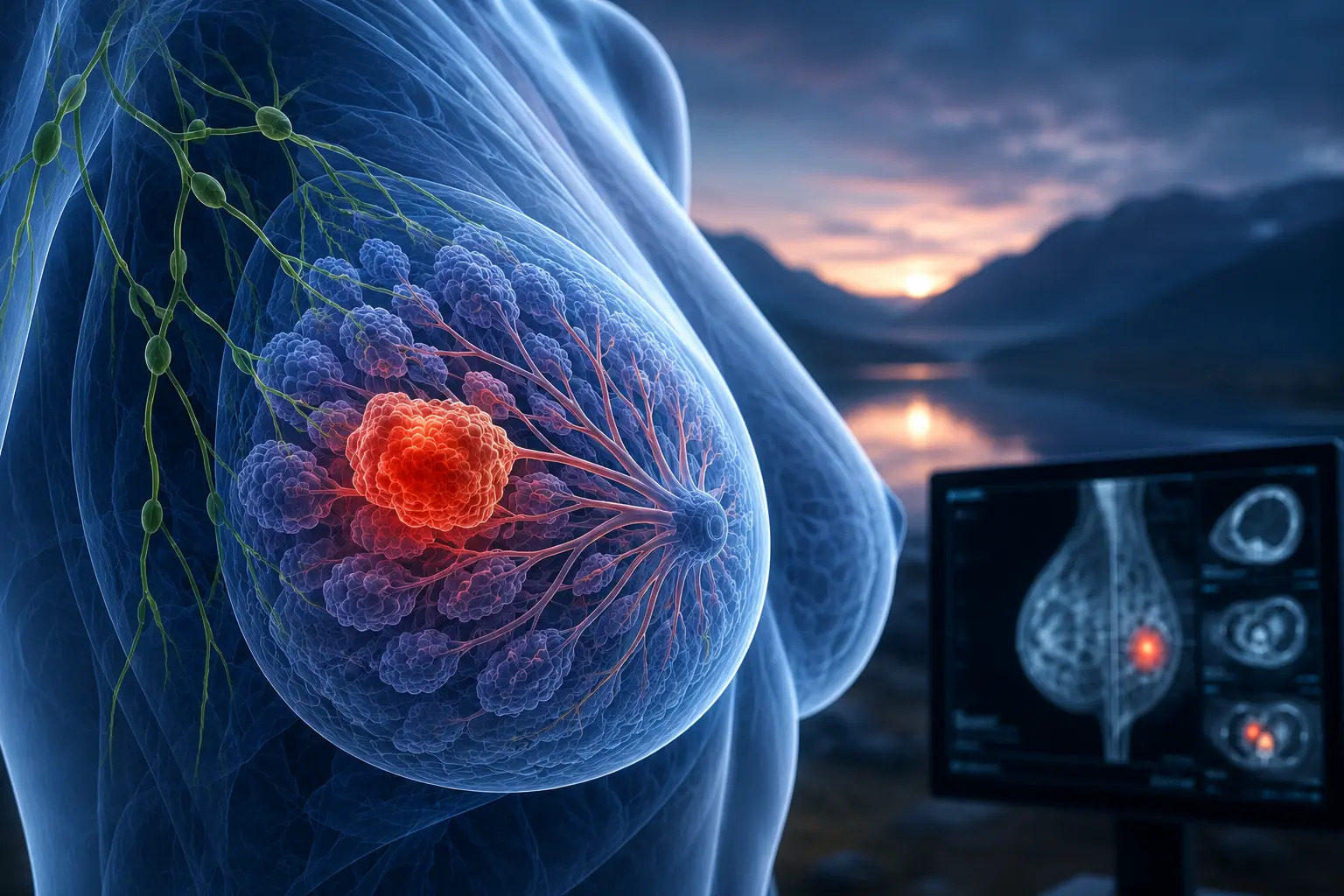
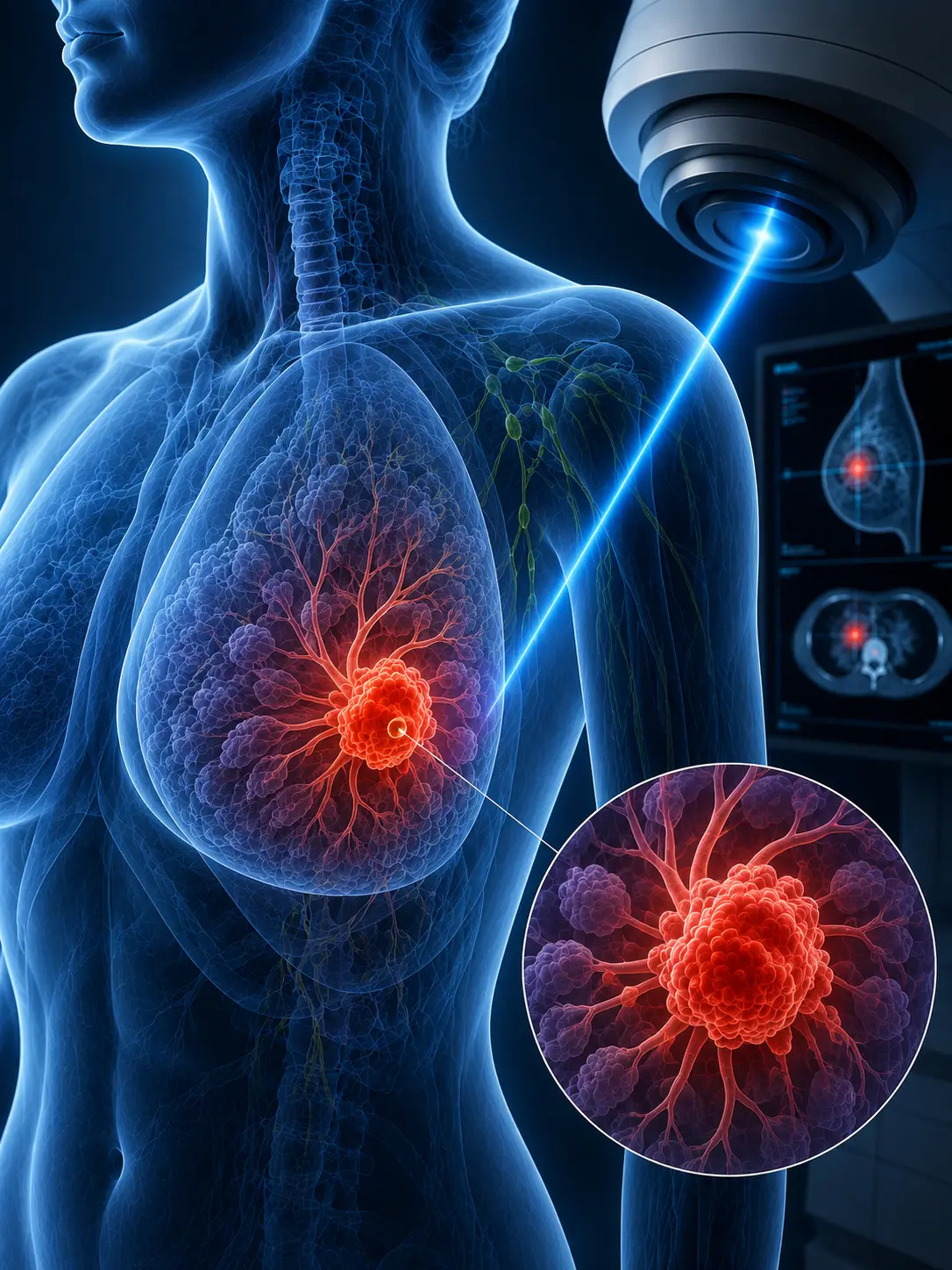
Breast cancer radiation therapy uses high-energy X-rays to destroy cancer cells that may remain after surgery, reducing the risk of the cancer returning. At our center, treatment plans are built around each patient's specific diagnosis, breast anatomy, and overall health — combining modern imaging with precise dose delivery.

Radiation therapy is commonly recommended after breast-conserving surgery (lumpectomy) and, in some cases, after mastectomy — particularly when the tumor was large or lymph nodes were involved. The goal is to eliminate microscopic cancer cells in the breast, chest wall, or nearby lymph nodes that surgery alone may not remove.

Our team uses Intensity-Modulated Radiation Therapy (IMRT) and Image-Guided Radiation Therapy (IGRT) to shape radiation beams around the treatment area, minimizing exposure to the heart, lungs, and surrounding healthy tissue. Treatment plans are reviewed by a multidisciplinary tumor board before therapy begins.

Most patients complete a course of radiation therapy over several weeks, with daily sessions on weekdays. Session length is typically short (a few minutes of actual beam time), though patients should expect to spend more time in setup and positioning to ensure accuracy. Side effects are generally manageable and are discussed in detail during the treatment-planning consultation.

Symptoms

  • A new lump or thickening in the breast or underarm
  • Change in the size, shape, or appearance of the breast
  • Dimpling, puckering, or redness of the breast skin
  • Nipple discharge other than breast milk, including blood
  • Persistent breast or nipple pain

Causes

  • Family history of breast or ovarian cancer
  • Inherited gene mutations (e.g., BRCA1/BRCA2)
  • Increasing age, particularly after 50
  • Early menstruation or late menopause
  • Prior radiation exposure to the chest area

Diagnosis

  • Clinical breast examination
  • Diagnostic mammography
  • Breast ultrasound
  • Core needle biopsy
  • MRI for further evaluation, when indicated

Treatment Approach

  1. Simulation & Planning — A CT scan is taken in the treatment position to map the exact treatment area.
  2. Plan Review — A radiation oncologist and physicist design a beam arrangement that covers the target while sparing healthy organs.
  3. Daily Treatment — Short daily sessions, typically Monday–Friday, over the planned course.
  4. Follow-up Care — Regular check-ins during and after treatment to monitor skin health and recovery.

Treatments

  • Breast-conserving surgery (lumpectomy) followed by radiation
  • Mastectomy, with or without reconstruction
  • Adjuvant radiation therapy (IMRT/IGRT)
  • Systemic therapy — chemotherapy, hormone therapy, or targeted therapy
  • Regional lymph node irradiation, when indicated

Prevention

  • Regular self-examination and awareness of changes
  • Routine screening mammography as recommended by your doctor
  • Maintaining a healthy weight and regular physical activity
  • Limiting alcohol consumption
  • Genetic counselling if there is a strong family history
Why Choose Us

Multidisciplinary Tumor Board

Every case is reviewed by a team of radiation oncologists, surgeons, and medical oncologists before treatment begins.

Advanced IGRT Technology

Daily image guidance ensures precise targeting and protects healthy tissue.

Personalised Treatment Plans

No two treatment plans are identical; each is tailored to the patient's anatomy and diagnosis.

Supportive Care Throughout

Dedicated nursing and counselling support from diagnosis through recovery.

Frequently Asked Questions
No. The treatment itself is painless, similar to having an X-ray taken, though some skin sensitivity may develop over the course of treatment.
Quick Facts

Age Group

40+ years (though younger patients are also diagnosed)

Detection Rate

Over 90% with early screening

Treatment Duration

3–6 weeks (varies by regimen)

Recovery Timeline

Most patients resume normal activities within 1–2 weeks of completing treatment

Risk Category

Moderate — highly treatable with early detection

Consult Dr. Gagan Saini

Get a personalised treatment plan for breast cancer radiation therapy built around your diagnosis and goals.

Book Appointment

Advanced Oncology Care

Precision care with compassion.

World-class radiotherapy solutions tailored with advanced precision and patient-first oncology care.