Eye Tumor Treatment
Advanced Eye Tumor Treatment with Specialized Radiation Therapy
Eye tumors are abnormal growths that develop in or around the eye. They may be benign or cancerous and can involve different structures, including the iris, choroid, retina, conjunctiva, eyelid or tissues surrounding the eye. Because the eye contains delicate structures responsible for vision, accurate diagnosis and carefully planned treatment are important. Eye tumor treatment in Noida and Delhi NCR depends on the type, size, location and extent of the tumor, as well as the patient's overall health and treatment goals. Dr. Gagan, a radiation oncologist, provides personalized radiation treatment planning for selected patients with eye tumors. Treatment is carefully planned to target the tumor while limiting unnecessary radiation exposure to nearby healthy tissues. If you are looking for the best eye tumor treatment in Noida and Delhi NCR, an eye tumor specialist or an experienced radiation oncologist for cancer treatment, timely consultation can help determine the most appropriate treatment approach.
What Are Eye Tumors?
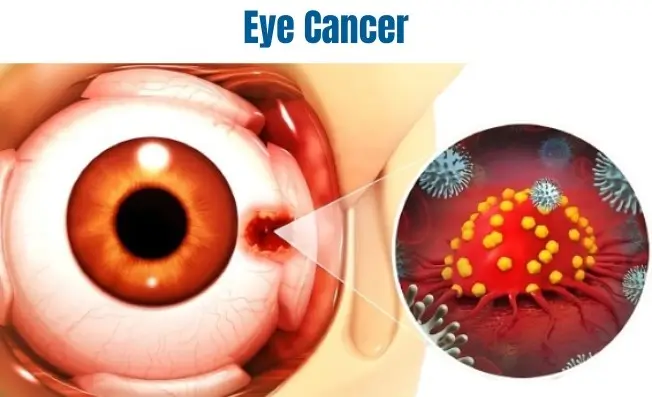
Eye tumors are abnormal growths that can develop within the eye or in the tissues surrounding it. Some tumors are benign, while others are malignant and may require specialized cancer treatment.
Eye tumors may develop in different parts of the eye and surrounding structures. These may include:
- Uveal or intraocular tumors
- Choroidal tumors
- Iris tumors
- Ciliary body tumors
- Retinal tumors
- Conjunctival tumors
- Orbital tumors
- Eyelid tumors
- Retinoblastoma, particularly in children
- Tumors that have spread to the eye from another part of the body
One of the important malignant eye tumors is intraocular melanoma, which can develop in the uveal tract. Different types of eye tumors can behave differently, so accurate diagnosis is essential before treatment is planned.
Symptoms of Eye Tumors
Some eye tumors may not cause noticeable symptoms during the early stages and may be discovered during a routine eye examination. When symptoms occur, they may include:
- Blurred or reduced vision
- A dark spot or unusual pigmentation in the eye
- Changes in the appearance of the eye
- A visible growth on or around the eye
- Flashes of light or new floaters
- Loss of peripheral vision
- Eye pain or persistent discomfort
- Redness or swelling around the eye
- Bulging or protrusion of the eye
- Changes in the size or shape of the pupil
These symptoms do not always indicate an eye tumor. However, persistent or unexplained changes in vision or the appearance of the eye should be evaluated by an appropriate eye specialist.
How Are Eye Tumors Diagnosed?
A detailed evaluation is important to identify the type and extent of an eye tumor. Diagnosis may involve an ophthalmic examination along with imaging and other investigations.
Depending on the suspected tumor, investigations may include:
- Detailed eye examination
- Fundus examination
- Ocular ultrasound
- Optical coherence tomography (OCT)
- MRI or CT scan when required
- Imaging of the orbit and surrounding structures
- Biopsy in selected cases
- Additional investigations to determine the extent of cancer
The diagnostic approach depends on the location and suspected type of tumor. Once a malignant tumor is confirmed, additional evaluation may be required to determine whether the cancer has remained localized or has spread to other parts of the body.
Eye Tumor Treatment
Treatment for an eye tumor depends on its type, size, location, stage and overall clinical condition. Not every eye tumor requires the same treatment.
Depending on the diagnosis, treatment may involve:
- Observation and regular monitoring for selected tumors
- Surgery
- Radiation therapy
- Plaque brachytherapy in selected eye cancers
- Laser or other local treatments
- Chemotherapy for selected tumors
- Targeted or systemic treatment in specific situations
- A combination of treatments
The treatment plan is individualized according to the patient's diagnosis and treatment requirements. For selected malignant eye tumors, radiation therapy can provide an important local treatment option.
Radiation Therapy for Eye Tumors
Radiation therapy uses high-energy radiation to damage and destroy cancer cells. In selected eye tumors, radiation therapy may be used to control the tumor while attempting to preserve the eye and, where possible, useful vision.
Depending on the type and location of the tumor, radiation treatment may include:
Plaque Brachytherapy
Plaque brachytherapy is a specialized form of internal radiation therapy that may be used for selected intraocular tumors. A small radioactive plaque is positioned close to the tumor so that radiation can be delivered directly to the affected area.
External Radiation Therapy
External-beam radiation therapy may be considered for selected eye or orbital tumors. Modern treatment planning allows radiation to be directed more precisely toward the treatment area while reducing unnecessary exposure to surrounding healthy structures.
Advanced Radiation Techniques
Depending on the tumor and clinical situation, advanced radiation techniques may be considered to improve treatment precision. The appropriate technique is selected after reviewing the tumor's location, size, imaging findings, previous treatments and overall cancer status.
Advanced Radiation Therapy for Eye Tumors
Radiation treatment for eye tumors requires particularly careful planning because the eye is surrounded by delicate structures involved in vision. Depending on the tumor location, nearby structures may include the optic nerve, retina, lens and other critical tissues.
Modern radiation planning may help the radiation oncology team:
- Precisely define the treatment area
- Deliver the prescribed radiation dose accurately
- Reduce unnecessary radiation exposure to surrounding healthy tissues
- Consider the location of critical visual structures
- Individualize treatment according to tumor characteristics
Dr. Gagan evaluates the patient's diagnosis, imaging, tumor characteristics and overall treatment requirements before recommending an appropriate radiation treatment strategy.
Eye Tumor Treatment and Eye Preservation
For selected patients, treatment may aim to control the tumor while preserving the eye. Whether eye-preserving treatment is possible depends on several factors, including the tumor type, size, location, extent of disease and vision status.
Radiation therapy may be considered as an eye-preserving treatment option in appropriately selected patients. However, preservation of the eye is not always possible or appropriate, particularly in advanced disease. The treatment decision should be made after detailed evaluation by the appropriate ophthalmic and oncology specialists.
What to Expect During Radiation Therapy?
Before radiation treatment begins, the radiation oncology team performs detailed treatment planning. Imaging and other diagnostic information may be reviewed to determine the appropriate treatment area, radiation dose and technique.
During treatment:
- The patient is positioned carefully according to the treatment plan.
- Imaging and treatment planning are used to identify the appropriate treatment area.
- Radiation is delivered using the selected technique.
- The patient's response and possible treatment-related effects are monitored.
The radiation treatment itself is generally painless. Depending on the treatment technique and area, some patients may experience temporary or treatment-related effects. The radiation oncology team provides appropriate guidance and supportive care throughout treatment.
Why Choose an Experienced Radiation Oncologist for Eye Tumor Treatment?
Eye tumors require specialized radiation planning because of the close proximity of the tumor to structures that are important for vision. An experienced radiation oncologist evaluates the complete clinical picture before recommending radiation therapy.
Dr. Gagan follows a personalized approach to radiation oncology, considering:
- Type and stage of the tumor
- Tumor size and exact location
- Imaging findings
- Previous treatments
- Nearby critical structures
- Overall health
- Treatment goals
The objective is to provide appropriate tumor-directed treatment while protecting surrounding healthy tissues as much as reasonably possible.
Importance of Early Evaluation for Eye Tumors
Changes in vision or the appearance of the eye should not be ignored, particularly when they persist or become progressively worse. Some eye tumors may remain unnoticed in their early stages, while others may cause symptoms only after they become larger. Early and accurate diagnosis allows the medical team to understand the nature of the tumor and determine whether observation, surgery, radiation therapy, systemic treatment or a combination of approaches may be appropriate. Eye tumor care may involve coordination between an ophthalmologist, ocular oncologist, radiation oncologist, medical oncologist, radiologist, pathologist and other specialists depending on the diagnosis.
Consult Dr. Gagan for Eye Tumor Treatment
An eye tumor diagnosis can be concerning, but timely specialist evaluation can help patients understand their condition and available treatment options. Because treatment depends greatly on the tumor's type, location and extent, an individualized approach is essential. If you are searching for the best eye tumor treatment in Noida and Delhi NCR, best eye tumor doctor in Noida and Delhi NCR, eye tumor specialist, eye cancer treatment or an experienced radiation oncologist, Dr. Gagan can evaluate your condition and discuss whether radiation therapy may be appropriate as part of your overall treatment plan. Book a consultation with Dr. Gagan to discuss your eye tumor diagnosis and understand the personalized radiation treatment options suitable for your condition.
Frequently Asked Questions
1. What are eye tumors?
Eye tumors are abnormal growths that develop inside the eye or in the tissues surrounding it. They can be benign or malignant.
2. Can eye tumors be treated with radiation therapy?
Yes. Radiation therapy can be used for selected eye tumors, depending on the tumor type, size, location and overall treatment plan.
3. What is plaque brachytherapy for eye tumors?
Plaque brachytherapy is a specialized radiation treatment in which a radioactive plaque is positioned close to a selected eye tumor to deliver radiation directly to the affected area.
4. Can an eye tumor be treated without removing the eye?
In selected patients, eye-preserving treatments such as radiation therapy may be possible. However, the appropriate treatment depends on the tumor's type, size, location and extent.
5. What are the common symptoms of an eye tumor?
Symptoms may include blurred vision, flashes of light, new floaters, changes in eye appearance, a visible growth, eye discomfort or loss of peripheral vision.
6. When should I consult a radiation oncologist for an eye tumor?
A radiation oncologist should be consulted when radiation therapy is being considered for an eye tumor or eye cancer. Specialist evaluation can help determine whether radiation may be suitable as part of the overall treatment plan.