Neuroendocrine Tumor Treatment
Advanced Neuroendocrine Tumor Treatment with Personalized Radiation Therapy
Neuroendocrine tumors (NETs) are a group of uncommon tumors that develop from neuroendocrine cells, which are found throughout the body and have characteristics of both nerve cells and hormone-producing cells. These tumors can develop in organs such as the gastrointestinal tract, pancreas, lungs and other parts of the body. Some neuroendocrine tumors grow slowly, while others can be more aggressive and may spread to nearby lymph nodes or distant organs. Neuroendocrine tumor treatment in Noida and Delhi NCR depends on the tumor's location, size, grade, stage, hormone activity and whether it has spread to other parts of the body. Dr. Gagan, a radiation oncologist, provides personalized radiation treatment planning for selected patients with neuroendocrine tumors. If you are looking for the best neuroendocrine tumor treatment in Noida and Delhi NCR, a neuroendocrine tumor specialist or an experienced radiation oncologist for cancer treatment, timely consultation can help determine the most appropriate treatment approach.
What Are Neuroendocrine Tumors?
Neuroendocrine tumors develop from neuroendocrine cells, which are present in many organs and are involved in producing and releasing hormones. Because these cells are distributed throughout the body, neuroendocrine tumors can arise in different locations.
Common sites include:
- Pancreas
- Small intestine
- Stomach
- Colon and rectum
- Appendix
- Lungs
- Liver, particularly when cancer has spread from another site
- Other less common locations
Neuroendocrine tumors can be classified according to their location, microscopic characteristics, grade and biological behavior. Some tumors produce excessive hormones and cause specific symptoms, while others may not produce noticeable hormonal symptoms.
Types of Neuroendocrine Tumors
Neuroendocrine tumors can vary significantly depending on where they develop and how quickly they grow.
Gastrointestinal Neuroendocrine Tumors
These tumors develop in the digestive system and may occur in the stomach, small intestine, appendix, colon or rectum. Symptoms can vary according to the tumor's location and size.
Pancreatic Neuroendocrine Tumors
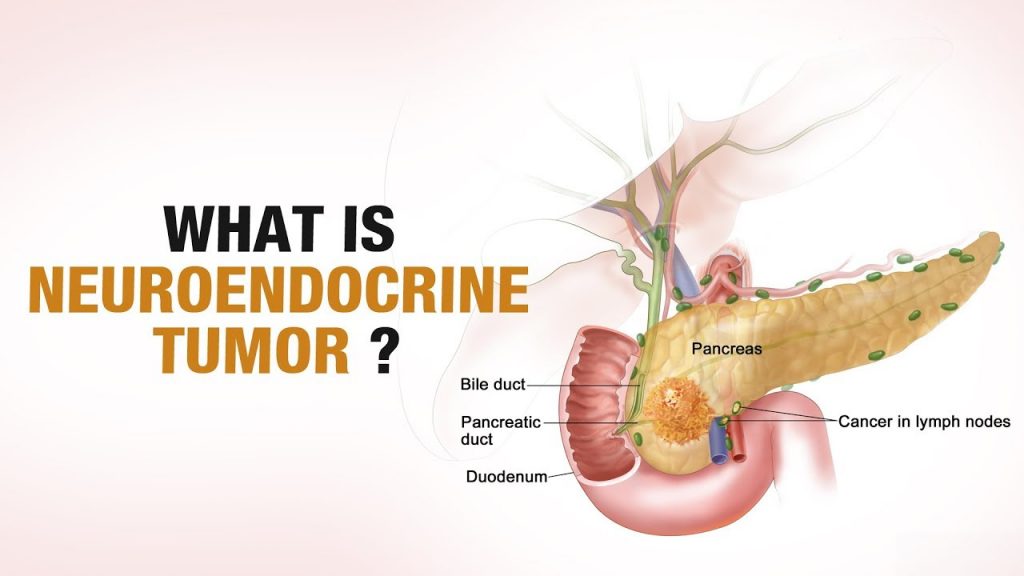
Pancreatic neuroendocrine tumors develop from neuroendocrine cells in the pancreas. Some are functional and produce hormones, while others are non-functional and may remain unnoticed until they become larger or spread.
Lung Neuroendocrine Tumors
Neuroendocrine tumors can also develop in the lungs. These include different tumor types with varying growth rates and treatment requirements.
Functional and Non-Functional Neuroendocrine Tumors
Functional neuroendocrine tumors produce hormones in excess and may cause symptoms related to the specific hormone being released. Non-functional tumors may not produce noticeable hormonal symptoms and can sometimes be detected incidentally or after causing symptoms due to their size or spread.
Symptoms of Neuroendocrine Tumors
Symptoms depend greatly on the tumor's location and whether it produces hormones. Possible symptoms may include:
- Abdominal pain or discomfort
- Changes in bowel habits
- Diarrhea
- Nausea or vomiting
- Unexplained weight loss
- Loss of appetite
- Persistent cough or breathing difficulties in lung tumors
- Flushing or episodes of sweating
- Changes in blood sugar levels in selected pancreatic tumors
- Jaundice in tumors affecting the bile ducts or nearby structures
- Fatigue
- Symptoms caused by spread of the tumor to other organs
Some neuroendocrine tumors may not cause symptoms during their early stages. Persistent or unexplained symptoms should be evaluated by an appropriate medical specialist.
How Are Neuroendocrine Tumors Diagnosed?
Accurate diagnosis is essential because neuroendocrine tumors can differ considerably in their behavior and treatment requirements.
Depending on the suspected tumor, evaluation may include:
- Detailed medical history and physical examination
- Blood tests
- Hormonal investigations for functional tumors
- CT scan
- MRI
- Endoscopic evaluation when required
- Biopsy
- Histopathological examination
- Assessment of tumor grade and proliferation characteristics
- Functional or receptor-based imaging in selected patients
- Additional imaging to evaluate possible spread
The pathology report helps determine the tumor type and grade. Imaging and other investigations help establish the stage and identify whether the tumor has spread to lymph nodes or distant organs.
Neuroendocrine Tumor Treatment
Treatment depends on the location, grade, stage, growth rate, hormone activity and extent of disease.
Depending on the patient's condition, treatment may include:
- Surgery
- Radiation therapy
- Somatostatin analogues
- Targeted therapy
- Chemotherapy for selected tumors
- Peptide receptor radionuclide therapy (PRRT) in appropriate patients
- Liver-directed treatments for selected metastatic disease
- Active surveillance for selected slow-growing tumors
- A combination of treatments
The treatment plan is individualized after reviewing pathology, imaging and other clinical findings.
Radiation Therapy for Neuroendocrine Tumors
Radiation therapy may have a role in selected neuroendocrine tumors depending on the location and extent of disease. It can be considered for local control of tumors, treatment of selected metastatic sites or symptom relief.
Radiation therapy may be considered:
For Localized or Locally Advanced Tumors
For selected tumors that cannot be completely removed surgically or where local control is important, radiation therapy may be incorporated into the overall treatment plan.
For Recurrent Neuroendocrine Tumors
If a neuroendocrine tumor returns in a previously treated area or develops as a localized recurrence, radiation therapy may be considered depending on the location and previous treatment.
For Metastatic Disease
Neuroendocrine tumors may spread to organs such as the liver, bones or other sites. Radiation therapy may be used for selected metastatic lesions to provide local tumor control or relieve symptoms.
For Symptom Relief
Radiation therapy can sometimes be used to manage symptoms caused by tumors, particularly pain or pressure from a tumor affecting a sensitive area.
The role of radiation therapy depends on the individual patient's disease and should be determined as part of a multidisciplinary cancer treatment plan.
Advanced Radiation Therapy for Neuroendocrine Tumors
Modern radiation treatment techniques allow treatment to be planned according to the tumor's location, size and relationship with nearby healthy organs.
Depending on the clinical situation, techniques such as:
- Intensity-Modulated Radiation Therapy (IMRT)
- Image-Guided Radiation Therapy (IGRT)
- Stereotactic Body Radiation Therapy (SBRT)
- Stereotactic radiation techniques
may be considered for selected patients.
These techniques can help deliver radiation more precisely to the intended treatment area while reducing unnecessary exposure to surrounding healthy tissues. Dr. Gagan reviews the patient's pathology, imaging, tumor characteristics, previous treatment and overall condition before developing an individualized radiation treatment strategy.
What to Expect During Radiation Therapy?
Before treatment begins, the radiation oncology team reviews imaging, pathology and previous treatment details to determine the appropriate treatment area and radiation technique.
During treatment:
- The patient is positioned carefully according to the treatment plan.
- Imaging may be used to verify the treatment area.
- Radiation is delivered using the selected technique.
- The patient's response and possible treatment-related effects are monitored.
Radiation therapy itself is generally painless. Depending on the area being treated, patients may experience fatigue, skin changes or other localized effects. The nature and severity of side effects vary according to the treatment site, dose and individual patient factors.
Why Choose an Experienced Radiation Oncologist for Neuroendocrine Tumor Treatment?
Radiation therapy for neuroendocrine tumors requires careful assessment because these tumors can behave differently depending on their grade, location and stage. The role of radiation therapy also varies between patients.
Dr. Gagan follows a personalized radiation oncology approach, considering:
- Tumor location
- Tumor grade and biological behavior
- Stage of disease
- Tumor size
- Lymph node involvement
- Presence and location of metastases
- Previous surgery or cancer treatment
- Nearby critical organs
- Overall health and treatment goals
The objective is to provide an appropriate radiation treatment strategy while minimizing unnecessary exposure to surrounding healthy tissues as much as reasonably possible.
Importance of Timely Evaluation for Neuroendocrine Tumors
Neuroendocrine tumors can range from slow-growing tumors to more aggressive cancers. Early and accurate diagnosis helps determine the tumor's grade and stage and allows the cancer team to select an appropriate treatment strategy. Unexplained abdominal symptoms, persistent respiratory symptoms, hormonal changes or other unusual symptoms should be medically evaluated when they persist or worsen. For patients who have already been diagnosed with a neuroendocrine tumor, timely consultation with the appropriate oncology specialists can help determine whether surgery, radiation therapy, systemic treatment, PRRT or a combination of treatments may be appropriate.
Consult Dr. Gagan for Neuroendocrine Tumor Treatment
A neuroendocrine tumor diagnosis requires individualized evaluation because treatment depends on the tumor location, grade, stage and biological characteristics. If you are searching for the best neuroendocrine tumor treatment in Noida and Delhi NCR, best neuroendocrine tumor doctor in Noida and Delhi NCR, neuroendocrine tumor specialist, neuroendocrine cancer treatment oncologist or an experienced radiation oncologist, Dr. Gagan can evaluate your condition and discuss whether radiation therapy may be appropriate as part of your overall treatment plan. Book a consultation with Dr. Gagan to discuss your neuroendocrine tumor diagnosis and understand the personalized radiation treatment options suitable for your condition.
Frequently Asked Questions
1. What is a neuroendocrine tumor?
A neuroendocrine tumor develops from neuroendocrine cells and can occur in different organs, including the pancreas, digestive tract and lungs.
2. Are all neuroendocrine tumors cancerous?
Neuroendocrine tumors vary in their behaviour. Some grow slowly, while others can be aggressive. Their grade, stage and other characteristics help determine their clinical behaviour.
3. Can radiation therapy treat neuroendocrine tumors?
Yes. Radiation therapy may be used for selected neuroendocrine tumors, recurrent disease, metastatic lesions or symptom control, depending on the individual case.
4. What treatments are available for neuroendocrine tumors?
Treatment may include surgery, radiation therapy, systemic therapies, somatostatin analogues, targeted treatments, PRRT or other approaches depending on the tumor's characteristics.
5. Can neuroendocrine tumors spread to other organs?
Yes. Some neuroendocrine tumors can spread to lymph nodes or distant organs such as the liver and bones. The risk depends on the tumor type, grade and stage.
6. When should I consult a radiation oncologist for a neuroendocrine tumor?
A radiation oncologist may be consulted when radiation therapy is being considered for a localized, recurrent or metastatic neuroendocrine tumor or when radiation may help control cancer-related symptoms.